Automatic driveway gates offer enhanced security, convenience, and property value, but they require a higher initial investment, ongoing maintenance, and a reliable power source. If you’re weighing the pros and cons of automatic driveway gates for your own driveway gate project, the details behind that summary matter just as much as the summary itself, especially once you start comparing gate types, power sources, and what a realistic installation actually costs.
The Pros of Automatic Driveway Gates for Homeowners
The benefits of automatic driveway gates go beyond convenience. Here are the most common pros of installing an automatic driveway gate:
- Stronger Security and Access Control: A gate paired with a keypad, remote, or camera system keeps unwanted vehicles and visitors from ever reaching your driveway.
- Everyday Convenience: You open and close the gate from your car without stepping out in the rain or after dark, and many systems now pair with a smartphone app for guest access.
- Long-Term Value: The higher upfront cost pays off through resale value, since buyers notice a gate that still opens smoothly years after installation.
- Manageable Automatic Gate Maintenance: Routine upkeep on a system installed to spec costs far less over time than repairing one that wasn’t installed correctly from the start.
- Increased Curb Appeal and Property Value: A well-designed gate improves how a property looks from the street and adds to its overall value.
- Added Privacy: A closed gate blocks the view into your property, which matters whether you’re in a dense neighborhood or just prefer a more secluded entrance.
- Smart Home Integration: Many systems connect to existing smart home setups, so the gate becomes one more thing you control from your phone alongside your locks and lights.
These advantages explain why automatic gates remain the more popular choice for homeowners who prioritize security and ease of access over a lower sticker price.
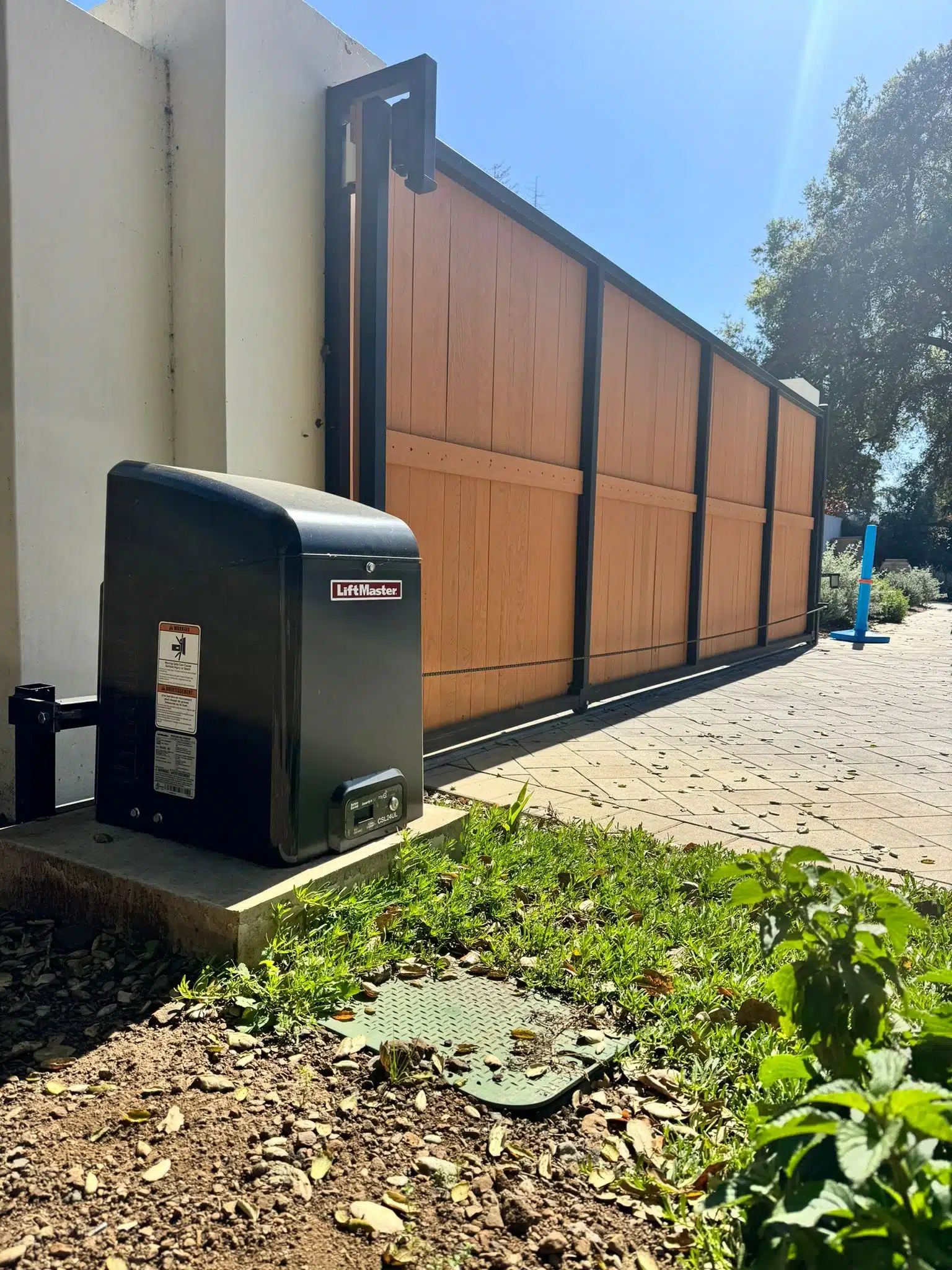
An expert tip advantage: Don’t go cheap on your gate opener. An off-brand or budget opener might save money upfront, but it typically means replacing batteries every couple of years and facing more frequent repairs as components wear out faster. Investing in a quality opener from the start, the kind we install on every job, cuts down on those recurring costs and keeps your gate running reliably for years instead of months.
What are the Cons of Automatic Driveway Gates You Need to Know?
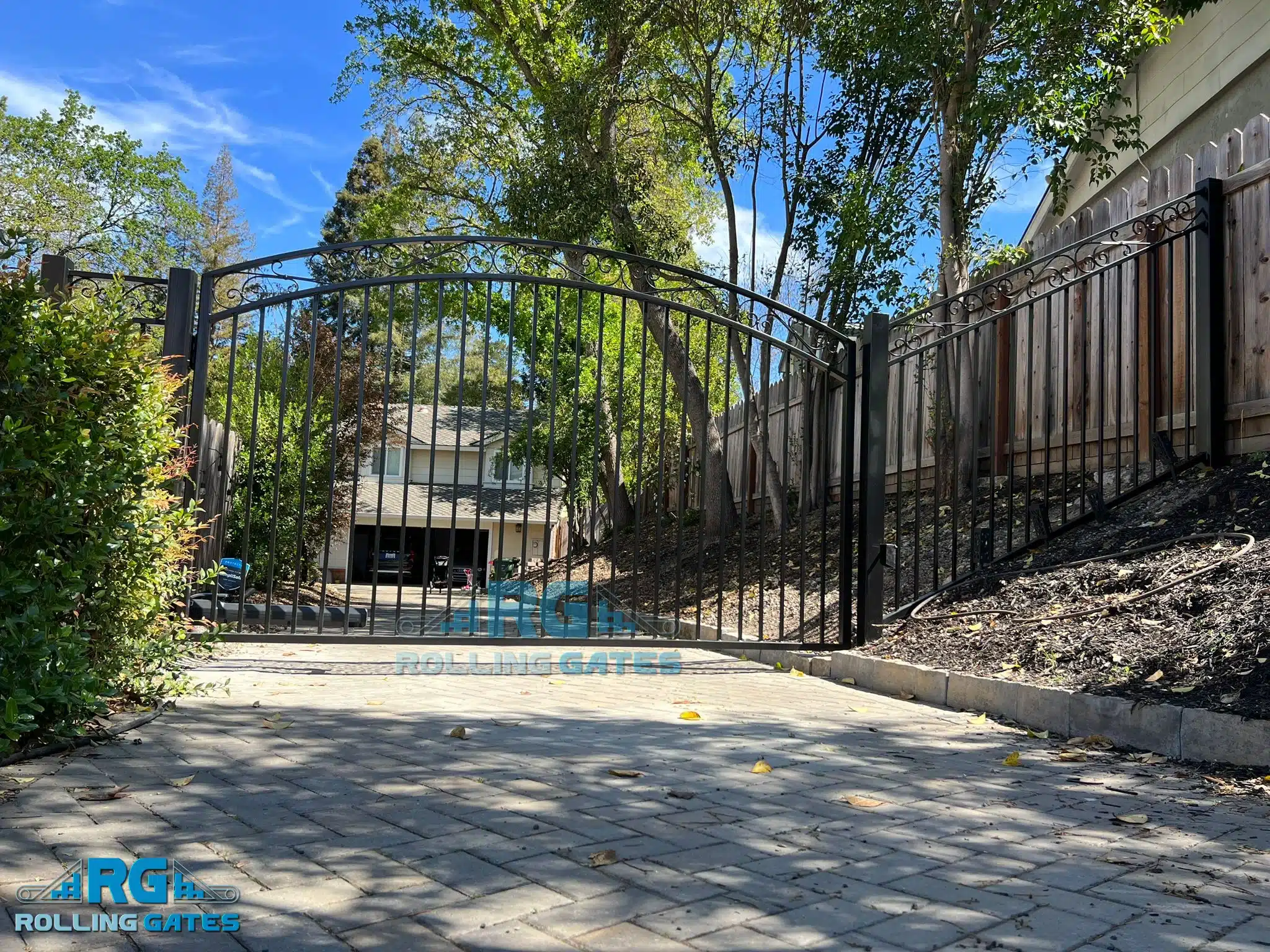
Every advantage above comes with a trade-off, and knowing them upfront is the only way to make a decision you won’t regret six months in:
- Higher Upfront Investment: Most motorized gates cost between $3,500 and $10,000 or more fully installed, with a new gate built from scratch often landing between $10,000 and $20,000 once labor, type of gate, and add-ons like intercoms or cameras are included.
- Security Depends on Installation Quality: A motorized gate installed without proper reinforcement or entrapment protection can be forced open or malfunction, so the installer matters as much as the equipment.
- Ongoing Maintenance Requirements: Motors, sensors, and hinges wear with use, and skipping routine checks is how a small issue turns into a stuck gate at the worst possible time.
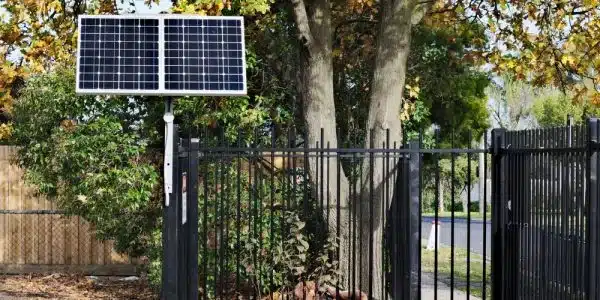
- Power Dependency: Automatic gates run on electricity, so a power outage without a backup plan means relying on a manual release until service is restored.
- Technical Malfunctions: Sensor misalignment or remote and keypad signal issues can occur over time, even with a well-installed system.
Weighing these trade-offs against the benefits above is what actually determines whether an automatic gate makes sense for your property and budget.
Automatic Gate Safety Standards
Security features and convenience aside, an automatic gate is still a heavy moving object, and that’s exactly why the industry holds installers to strict entrapment protection requirements.
Every gate operator we install meets UL 325 safety standards for gates which require sensors and reversing mechanisms that stop or reverse the gate if it detects an obstruction in its path.
That protection matters for kids, pets, and vehicles alike, and it’s a detail worth confirming with any installer before signing a contract, since not every gate on the market is built or installed to the same standard. Understanding this piece rounds out the full pros and cons of automatic driveway gates before you commit to a system.
Why Homeowners Choose Rolling Gates
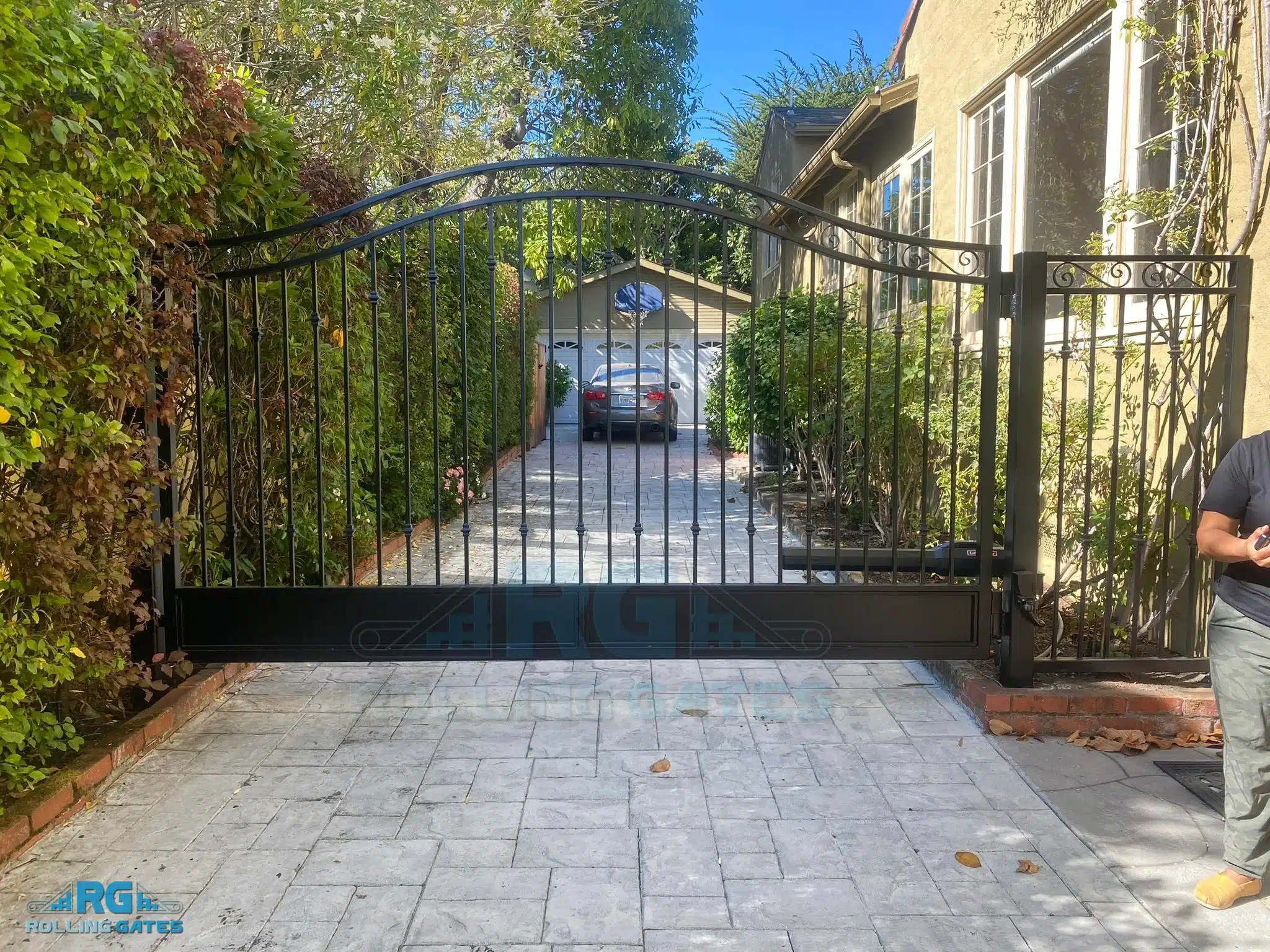
At Rolling Gates, our licensed team has over 7+ years of experience installing and repairing gates across the Bay Area, backed by a 5-star Google rating and BBB accreditation. Every job starts with our 25-point diagnostic process, whether we’re installing a new automatic gate or repairing one someone else put in.
As a trusted fence contractor in the Bay Area, we serve San Francisco, Alameda and many other Bay Area counties with same-day service available.
Is an Automatic Gate Right for Your Property?
Weighing the pros and cons of automatic driveway gates really comes down to matching the gate to how you actually use your driveway. If security, curb appeal, and hands-free access matter more to you than upfront cost and occasional upkeep, an automatic gate is usually worth it.
A licensed gate installer who follows UL 325 standards and knows the Bay Area’s climate and code requirements makes the difference between a gate that works for years and one that turns into a recurring repair bill, so it’s worth contacting us for a free estimate before you decide.
FAQ
What are the downsides of automatic gates?
The main downsides are the higher upfront cost compared to a manual gate, the need for routine motor and sensor maintenance, and dependence on a power source unless a solar or battery backup is in place.
What are the common problems with automatic gate openers?
The most common issues our clients reach out for are misaligned safety sensors, worn drive belts or chains, and remote or keypad signal problems. Most of these show up gradually, with a slower open-close cycle or an occasional missed signal, rather than a sudden full failure.
What is the lifespan of an automatic gate?
A well-maintained automatic gate opener typically lasts 10 to 15 years. The gate structure itself, especially if it’s wood, iron, or aluminum, can last considerably longer with proper care, since the motor and structure tend to wear on different timelines.
What happens to electric gates when the power goes out?
Most automatic gates include a manual release or battery backup, so the gate can still be opened by hand during an outage. It’s worth confirming which option your system has before you need it in an emergency.
What type of electric gate is best?
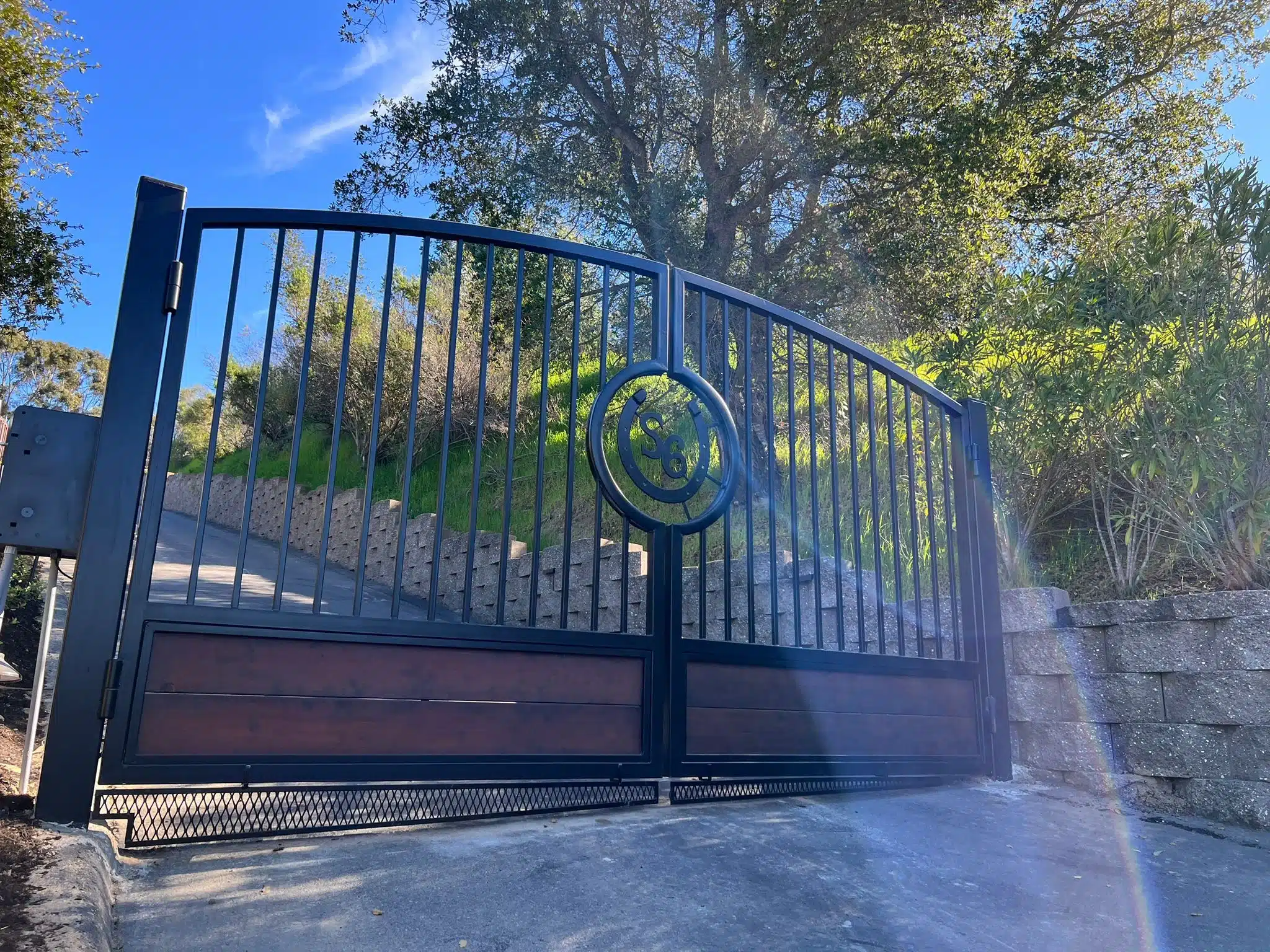
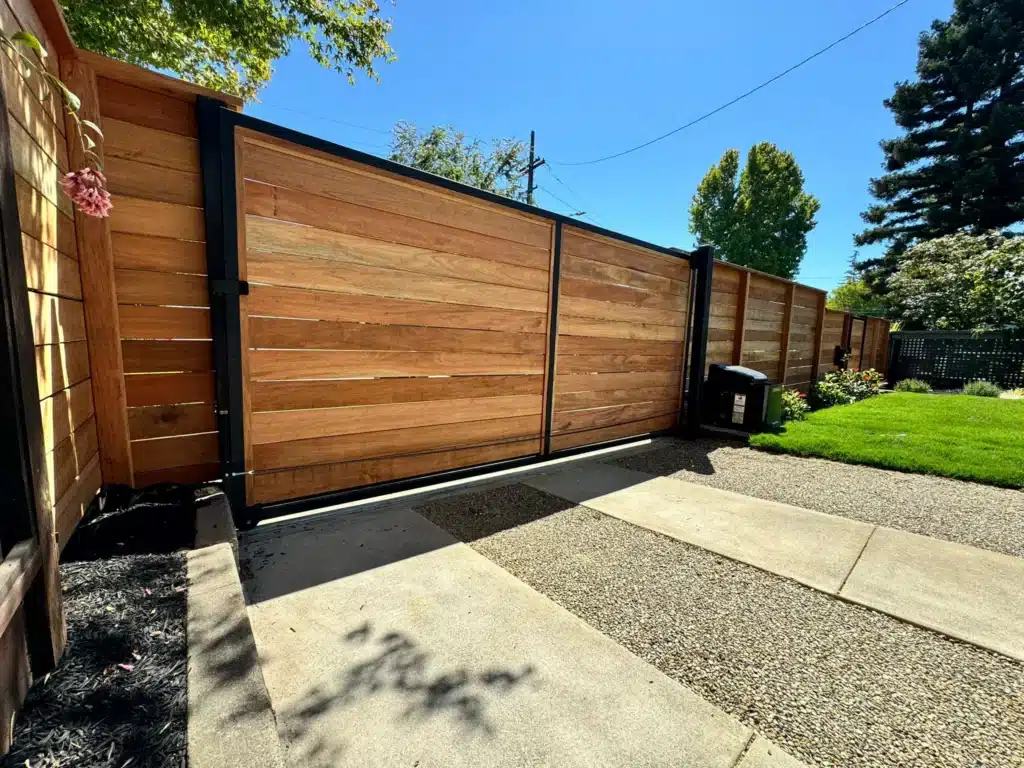
Sliding gates are best for tight or sloped spaces, swing gates are best for wide, flat residential driveways, and cantilever gates are best for heavy-duty or commercial security