Your gate system represents a significant investment in your property’s security, convenience, and curb appeal. However, many homeowners and business owners in Walnut Creek overlook a critical threat that can compromise this investment over time. Can weather damage a gate system? Absolutely, and understanding these risks is essential for maintaining your entry system’s functionality and longevity.
The climate in Contra Costa County presents unique challenges for gate systems. From seasonal rainfall to intense summer heat, your automatic driveway gate faces constant environmental stress. Moreover, the salt air from nearby coastal regions can accelerate corrosion on metal components. Consequently, property owners who ignore weather-related maintenance often face costly repairs or premature replacement.
In this comprehensive guide, we will explore how various weather conditions affect different gate materials and components. Additionally, you will discover practical prevention strategies and maintenance tips specifically tailored for Walnut Creek’s climate. Furthermore, we will discuss when professional intervention becomes necessary to address weather-related damage.
How Rain and Moisture Affect Gate Systems
Rainfall represents one of the most significant threats to gate system integrity. When water penetrates electrical components, it creates immediate operational hazards. Additionally, prolonged moisture exposure leads to rust formation on metal gates, hinges, and tracks.
Electrical Component Vulnerabilities
Gate operators contain sensitive electronics that moisture can easily compromise. Water infiltration into control boxes causes short circuits and system failures. Furthermore, moisture accumulation in keypads and intercom systems prevents proper communication between entry points and residents.
The motor and drive mechanisms within your gate operator require particular attention during wet seasons. Corroded circuit boards and damaged wiring harnesses often result from inadequate weatherproofing. Therefore, ensuring proper sealing and drainage around your gate operator housing becomes crucial for system reliability.
According to the National Weather Service, the San Francisco Bay Area receives significant seasonal rainfall that can impact outdoor electrical systems. Understanding these precipitation patterns helps property owners prepare adequate protection for their gate systems.
Metal Corrosion and Rust Development
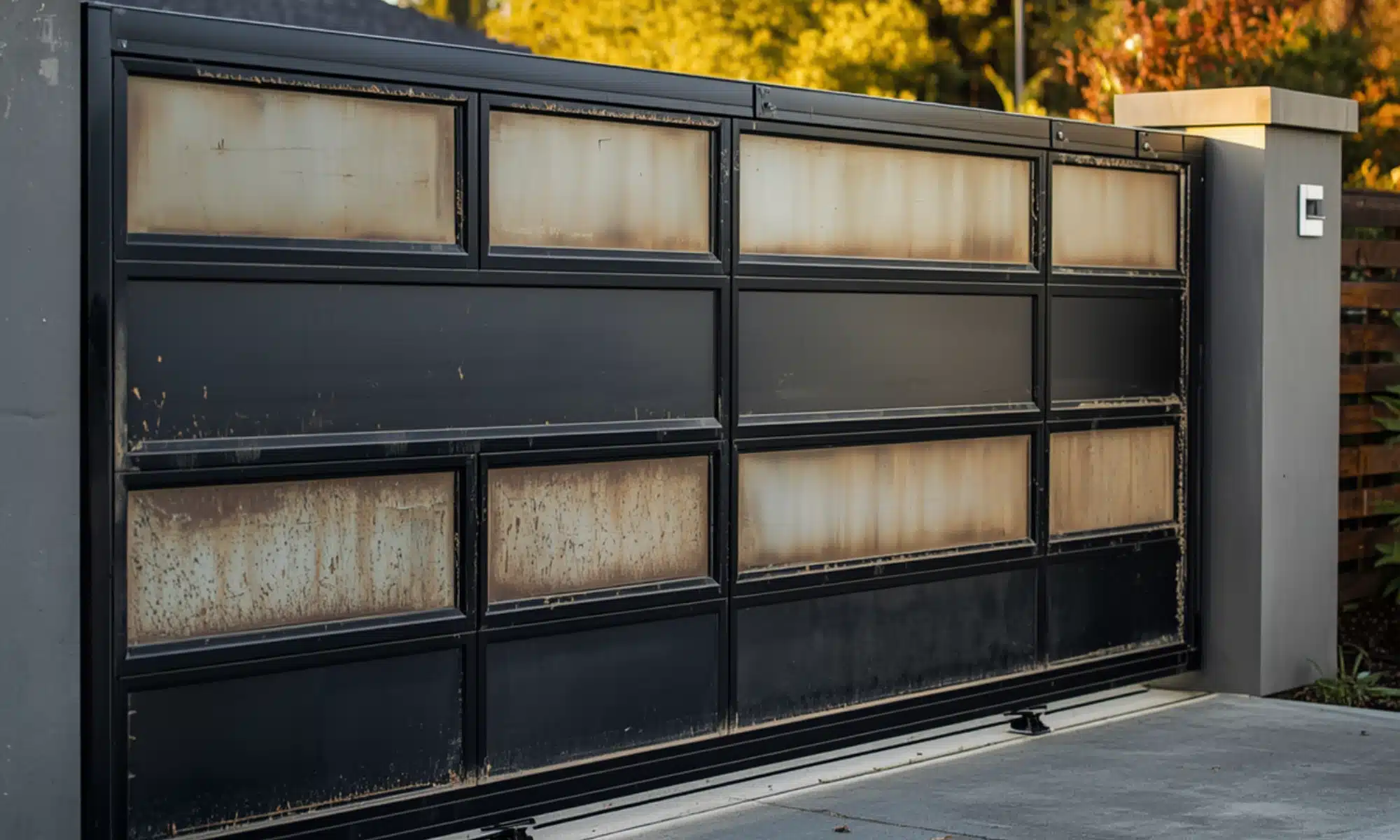
Iron and steel gates face accelerated deterioration when exposed to consistent moisture. Rust weakens structural components and creates unsightly appearance issues. Moreover, corroded hinges and rollers increase friction, forcing your gate operator to work harder and reducing its lifespan.
Aluminum gates offer better corrosion resistance than steel alternatives. However, even aluminum components can develop oxidation and pitting over time. Regular inspection of metal driveway gates helps identify early corrosion signs before they compromise structural integrity.
The Impact of Extreme Heat and Sun Exposure
Walnut Creek experiences significant temperature variations throughout the year. Summer heat waves can stress gate materials and electronic components in ways many property owners do not anticipate.
Material Expansion and Contraction
Metal gates expand during hot weather and contract when temperatures drop. This constant thermal cycling stresses welds, joints, and fasteners. Eventually, repeated expansion and contraction cycles cause gates to sag or become misaligned.
Wooden gates face particularly severe challenges from heat and sun exposure. UV radiation breaks down lignin in wood fibers, causing graying and surface degradation. Additionally, heat causes wood to dry out and crack, creating entry points for moisture during subsequent rain events. If you are considering wooden driveway gates, selecting weather-resistant species and maintaining protective finishes becomes essential.
Electronic System Overheating
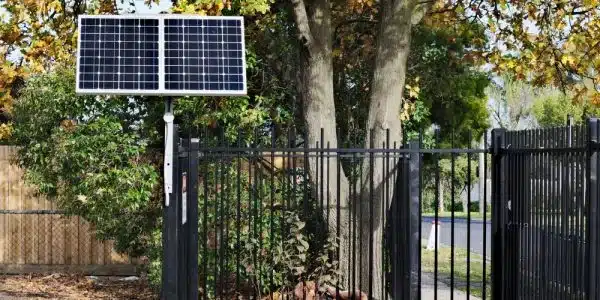
Gate operators installed in direct sunlight without adequate shade or ventilation face overheating risks. High temperatures reduce battery efficiency in solar-powered gate systems and can trigger thermal protection shutdowns in operators.
Control boards and transformers generate heat during normal operation. When ambient temperatures rise significantly, these components may exceed safe operating ranges. Installing operators in shaded locations or adding protective covers helps mitigate heat-related failures.
Wind Damage and Structural Stress
Strong winds pose immediate physical threats to gate systems, particularly during storm events. The San Francisco Bay Area experiences periodic high-wind events that can damage improperly installed or maintained gates.
Swing Gate Vulnerabilities
Swing gates present larger surface areas that catch wind like sails. During severe weather, wind forces can bend gate panels, damage hinges, or overload gate operators. Single swing gates face greater risk than dual swing configurations because they present a larger continuous surface to wind loads.
Wind-driven debris impacts can dent or scratch gate surfaces. Furthermore, fallen branches or flying objects may damage gate safety sensors or obstruction detection systems, creating safety hazards for users.
Sliding and Rolling Gate Considerations
While sliding gates and roll-up gates generally resist wind better than swing designs, they are not immune to weather damage. High winds can force gates off their tracks or damage guide rollers. Additionally, accumulated debris blown into track systems prevents smooth operation and increases wear on drive components.
Cold Weather and Freezing Conditions
Although Walnut Creek enjoys relatively mild winters, occasional freezing temperatures create specific challenges for gate systems. Understanding these risks helps property owners prepare for rare but potentially damaging cold snaps.
Lubrication and Mechanical Issues
Cold temperatures thicken lubricants, increasing resistance in hinges, rollers, and drive mechanisms. Gates that operate smoothly in warm weather may struggle or fail to move when lubricants become viscous. Using cold-weather-rated lubricants prevents this seasonal performance degradation.
Metal components contract in cold weather, potentially affecting gate alignment and clearances. Gates adjusted during summer months may bind or scrape during winter temperature drops. Seasonal maintenance adjustments address these dimensional changes.
Ice and Frost Complications
Frost formation on tracks and wheels prevents smooth gate movement. Ice accumulation in slide gate tracks or swing gate hinges creates operational blockages. Moreover, freeze-thaw cycles damage concrete foundations and footings that support gate posts and operator pads.
Gate posts subject to ground freezing and thawing may shift or settle unevenly. This movement affects gate alignment and places stress on operator mounting hardware. Proper drainage around gate foundations minimizes water accumulation and subsequent freeze damage.
Salt Air and Coastal Corrosion Effects
While Walnut Creek sits inland from the immediate coast, prevailing winds can carry salt air into the region. Properties closer to the Carquinez Strait or on elevated terrain facing the bay experience greater salt exposure than those in protected valleys.
Accelerated Metal Deterioration
Salt accelerates corrosion rates on all metal surfaces, including iron gates and steel components. Even galvanized finishes degrade faster in salt-air environments. Regular washing and protective coating applications become essential maintenance tasks for coastal-influenced properties.
Stainless steel hardware offers superior corrosion resistance but at higher cost. For properties in areas with significant salt exposure, upgrading to marine-grade fasteners and components provides long-term value despite initial expense.
Preventive Maintenance Strategies
Protecting your gate system from weather damage requires consistent maintenance and proactive measures. The following strategies help Walnut Creek property owners maximize their gate system longevity.
Regular Inspection Schedules
Monthly visual inspections identify developing problems before they cause system failures. Check for rust formation, loose fasteners, damaged seals, and debris accumulation. Additionally, test safety sensors and obstruction detection systems to ensure proper function.
Quarterly maintenance should include lubrication of all moving parts, track cleaning, and electrical connection inspection. Furthermore, verify that drainage around gate foundations and operator housings remains unobstructed.
The American Fence Association recommends establishing regular maintenance protocols for all automated gate systems to ensure safe and reliable operation throughout varying weather conditions.
Protective Coatings and Finishes
Quality paint and powder coat finishes provide primary defense against moisture and UV damage. Inspect finishes annually and touch up damaged areas promptly. For metal gates, consider wax or polymer sealants that provide additional protection beyond standard paint.
Wooden gates require regular staining or sealing to prevent moisture absorption and UV degradation. Choose penetrating oil-based products that nourish wood fibers while providing water repellency. Reapply protective finishes according to manufacturer recommendations, typically every two to three years.
Weatherproofing Electrical Components
Ensure all control boxes, junction boxes, and exposed wiring feature appropriate weatherproof ratings. Replace damaged gaskets and seals promptly to maintain enclosure integrity. Additionally, consider installing protective covers or shields for operators and keypads exposed to direct rain or sun.
Vehicle detection sensors and access control devices require particular attention to weather sealing. Failed seals in these components lead to intermittent operation or complete failure during wet conditions.
Professional Weather Damage Assessment and Repair
Despite preventive efforts, weather damage eventually affects most gate systems. Recognizing when professional repair becomes necessary helps prevent minor issues from escalating into major failures.
Warning Signs of Weather-Related Damage
Unusual noises during gate operation often indicate corrosion or lubrication breakdown. Grinding, squealing, or clicking sounds suggest mechanical components require attention. If your gate is making grinding or clicking noises, schedule professional inspection promptly.
Slow or erratic operation may signal electrical moisture damage or mechanical binding. Gates that hesitate, stop mid-cycle, or require multiple command inputs likely need professional diagnosis. Additionally, visible rust, pitting, or finish degradation indicates protective measures have failed.
Emergency Repair Services
Severe weather events can cause immediate gate system failures that compromise property security. Emergency gate repair services restore functionality when storms damage operators, knock gates off tracks, or cause structural damage.
Rolling Gates provides 24/7 repair services throughout Walnut Creek and surrounding Contra Costa County communities. Our technicians carry weather-resistant components and materials suited for Bay Area climate conditions.
System Upgrades for Weather Resistance
When weather damage necessitates component replacement, consider upgrading to more resilient alternatives. Modern automatic gate operators offer improved weatherproofing compared to older models. Additionally, solar-powered gate openers eliminate electrical supply vulnerabilities while providing reliable operation.
For properties experiencing repeated weather-related issues, converting manual gates to automatic operation with weather-resistant operators may provide better long-term value than continuing to repair aging systems.
Frequently Asked Questions About Weather and Gate Systems
Does rain actually damage electric gate motors, or are they waterproof?
While quality gate operators feature weather-resistant enclosures, they are not permanently waterproof. Driving rain, flooding, or failed seals allow moisture penetration that damages circuit boards and electrical components. Regular inspection of gaskets and seals prevents water infiltration. Additionally, ensuring proper drainage around operator housings protects against standing water damage.
How quickly can weather damage a new gate system?
Weather damage develops over months and years rather than days. However, neglecting maintenance accelerates deterioration significantly. A gate system without protective maintenance may show weather damage within one to two years, while properly maintained systems operate reliably for decades. Consequently, establishing maintenance routines immediately after installation provides the best protection.
Can extreme heat cause my automatic gate to stop working?
Yes, excessive heat triggers thermal protection mechanisms in gate operators. When internal temperatures exceed safe limits, operators shut down to prevent permanent damage. Installing operators in shaded locations, ensuring adequate ventilation, and avoiding consecutive rapid cycles during hot weather prevents overheating shutdowns. Furthermore, upgrading to operators with higher thermal ratings provides additional protection.
What is the best gate material for Walnut Creek’s weather conditions?
Aluminum and galvanized steel offer excellent weather resistance for metal gates, while cedar and redwood provide natural decay resistance for wooden options. Vinyl and composite materials eliminate weathering concerns entirely but offer different aesthetic characteristics. The optimal choice depends on your property’s specific exposure, maintenance commitment, and design preferences. For personalized recommendations, consult our gate selection guide.
Should I cover my gate operator during winter months?
Permanent covers or enclosures protect operators from direct rain and sun exposure. However, covers must allow adequate ventilation to prevent heat buildup during summer operation. Professional-grade operator housings provide integrated weather protection without compromising cooling. DIY covers may inadvertently trap moisture or interfere with normal operation, so professional installation is recommended.
How do I prevent my gate from rusting in the Bay Area climate?
Regular washing removes salt deposits and environmental contaminants that accelerate corrosion. Apply automotive wax or specialized metal protectants twice yearly to create moisture barriers. Promptly touch up paint damage to prevent exposed metal from rusting. Additionally, ensure proper drainage around gate foundations to prevent standing water contact with metal components.
Can wind damage be prevented, or do I need to replace my gate after storms?
Proper engineering and installation significantly improve wind resistance. Reinforced gate frames, heavy-duty hinges, and appropriate operator sizing help gates withstand severe weather. However, extreme events may damage even well-constructed gates. After severe storms, professional inspection identifies hidden damage before it causes operational failures. If your gate is stuck closed following weather events, immediate professional assessment prevents further damage.
Is weather damage covered by gate warranties?
Warranty coverage varies significantly between manufacturers and installation contractors. Most warranties cover manufacturing defects but exclude damage from environmental exposure or inadequate maintenance. Review warranty terms carefully and maintain documentation of regular service to support any future claims. Additionally, some extended warranty programs offer enhanced weather damage protection for additional investment.
Conclusion: Protect Your Investment From Weather Damage
Can weather damage a gate system? Without question, environmental exposure presents the primary threat to long-term gate functionality and appearance. However, informed property owners can implement effective strategies to minimize weather-related deterioration and extend system lifespan significantly.
The key to weather protection lies in consistent maintenance, quality materials, and prompt repair of developing issues. Regular inspections catch problems while they remain minor and inexpensive to address. Furthermore, professional installation using weather-appropriate components provides foundational protection that DIY installations often lack.
For Walnut Creek property owners, understanding local climate challenges enables targeted protection strategies. Whether facing summer heat, winter rains, or occasional high winds, your gate system can provide decades of reliable service with proper care.
If you notice signs of weather damage or want to establish a preventive maintenance program, Rolling Gates provides comprehensive gate repair and installation services throughout Contra Costa County. Our experienced technicians understand Bay Area climate challenges and recommend solutions tailored to your specific property conditions.
Contact us today to schedule a weather damage assessment or discuss upgrading your current gate system for enhanced environmental resistance. Protect your investment now to avoid costly repairs and ensure continuous security and convenience for years to come.
Ready to protect your gate system from weather damage? Contact Rolling Gates for expert service in Walnut Creek and throughout the Bay Area.