
Imagine pulling into your driveway after a long day. Your automatic gate begins to close; suddenly, your child runs toward the gate to greet you. In that heart-stopping moment, gate safety sensors become the silent guardians that prevent tragedy. These sophisticated devices represent the most critical safety component of any automatic gate system, yet many Walnut Creek homeowners remain unaware of how they function or why they matter.
Gate safety sensors are electronic detection devices designed to identify obstacles in a gate’s path. They immediately halt or reverse gate operation when triggered, preventing property damage and personal injury. Moreover, these sensors serve as mandatory compliance features under California safety regulations for automated gate systems. Understanding their functionality helps you maintain a secure residential environment while ensuring your automatic driveway gates operate reliably year after year.
In this comprehensive guide, we will explore the various types of gate safety sensors available for Walnut Creek properties. Additionally, we will examine installation requirements, maintenance protocols, and troubleshooting techniques. Whether you currently own an automated gate system or plan to install one, this information proves essential for protecting your family, visitors, and vehicles.
Understanding Gate Safety Sensors and How They Work
Automatic gates provide convenience and security; however, they also present potential hazards without proper safety mechanisms. Gate safety sensors utilize advanced technology to create invisible protection zones around moving gate sections. Consequently, these devices transform potentially dangerous heavy machinery into responsive, intelligent entry systems.
Photoelectric sensors represent the most common type found in modern installations. These devices project invisible infrared beams across the gate opening. When something interrupts this beam, the sensor sends an immediate signal to the gate operator. Furthermore, the gate either stops moving or reverses direction depending on its current position. This split-second response prevents contact between the gate and any detected object.
Ultrasonic sensors offer an alternative detection method. They emit high-frequency sound waves that bounce off nearby objects. The sensor calculates distance based on return time; therefore, it detects obstacles without requiring precise beam alignment. Pressure-sensitive edges provide another layer of protection. These rubber strips contain internal switches that trigger when compressed. Consequently, they offer tactile protection particularly useful for swing gates and sliding systems.
Modern gate safety sensors often combine multiple detection technologies. This redundancy ensures protection even if one system experiences temporary malfunction. Additionally, contemporary sensors feature weather-resistant housings essential for Walnut Creek’s varied climate conditions. From summer heat waves to winter rains, quality sensors maintain consistent performance throughout seasonal changes.
Types of Gate Safety Sensors for Walnut Creek Residential Properties
Selecting appropriate gate safety sensors requires understanding available options and their specific applications. Different gate styles and property layouts demand tailored sensor configurations. Therefore, Walnut Creek homeowners should consult with experienced professionals when designing their safety systems.
Photoelectric Beam Sensors
Photoelectric systems remain the industry standard for good reason. They provide reliable detection across wide openings without physical contact requirements. Additionally, these sensors work effectively in various lighting conditions. Through-beam configurations place separate transmitter and receiver units on opposite gate posts. Alternatively, reflective systems use a single unit with a reflector, simplifying installation while reducing wiring complexity.
For rolling gates, photoelectric sensors typically mount at multiple heights. Low-level beams detect children, pets, and vehicle bumpers. Mid-level beams catch bicycle handlebars and raised arms. Consequently, this layered approach provides comprehensive protection across the entire gate opening.
Loop Detection Systems
Inductive loop sensors embed within the driveway surface. They detect metallic objects such as vehicles through electromagnetic field disruption. While primarily used for vehicle detection, these loops integrate with safety systems to prevent gates from closing on parked cars. Furthermore, they trigger automatic opening when vehicles approach from inside the property.
Installation requires cutting precise grooves in concrete or asphalt. Therefore, professional installation becomes essential for proper function. However, once installed, loop systems offer exceptional reliability with minimal maintenance requirements.
Infrared and Microwave Motion Detectors
Motion-based sensors monitor the gate area for movement. Infrared detectors sense heat signatures from people and animals. Meanwhile, microwave sensors emit radar-like signals that detect motion through Doppler effect changes. These technologies prove particularly useful for detecting approaching pedestrians before they reach the gate path.
Modern systems often combine both technologies to reduce false triggers. For instance, Walnut Creek’s wildlife might trigger infrared sensors, while microwave detection confirms actual human presence. Consequently, this dual-technology approach minimizes unnecessary gate stops while maintaining safety standards.
Why Gate Safety Sensors Matter for California Compliance
California maintains strict regulations regarding automatic gate installations. The state mandates specific safety features including gate safety sensors for all new automated gate systems. Furthermore, existing installations require updates when major repairs or modifications occur. Understanding these requirements helps Walnut Creek property owners avoid liability issues while ensuring resident safety.
The Consumer Product Safety Commission reports thousands of gate-related injuries annually. Many incidents involve crushing, entrapment, or impact injuries preventable with proper sensor installation. Consequently, California building codes incorporate UL 325 standards governing gate operator safety. These standards specify minimum sensor requirements based on gate type, size, and application.
Residential applications require different configurations than commercial properties. Single-family homes typically need basic photoelectric protection. However, multi-family dwellings and commercial facilities demand more comprehensive sensor arrays. Additionally, public access gates require audible and visual warning devices alongside sensor systems.
Professional installers familiar with Contra Costa County regulations ensure your system meets all legal requirements. They understand local amendments to state codes. Furthermore, they obtain necessary permits and schedule required inspections. This expertise protects you from potential fines while ensuring insurance coverage remains valid.
Installation Best Practices for Walnut Creek Properties
Proper gate safety sensors installation determines system effectiveness. Even high-quality sensors fail when poorly positioned or incorrectly wired. Therefore, understanding installation fundamentals helps you evaluate contractor proposals and recognize quality workmanship.
Sensor placement requires careful consideration of gate geometry and traffic patterns. Photoelectric beams must cross the entire potential hazard zone without gaps. Additionally, installers must account for gate swing arcs and sliding paths. Sensors positioned too close to the gate may trigger unnecessarily during normal operation. Conversely, sensors placed too far away might miss small children or pets.
Height placement follows specific guidelines based on intended protection. Standard installations place primary beams 4-6 inches above ground level. This height catches vehicle bumpers and small children. Secondary beams at 24-30 inches detect bicycles, wheelchairs, and adult legs. Furthermore, some installations include high beams for truck beds and raised equipment.
Wiring considerations prove equally important. Sensors require protected conduits resistant to moisture and physical damage. Additionally, power supplies must include surge protection against California’s occasional lightning storms. Professional installers use direct burial rated cables for underground runs. Consequently, these precautions prevent premature failure and maintain consistent operation.
For automatic driveway gates in Walnut Creek’s hillside neighborhoods, terrain challenges require creative solutions. Steep driveways may need angled sensor mounting. Furthermore, curved approaches demand multiple sensor zones. Experienced local installers understand these regional considerations and design appropriate solutions.
Common Gate Safety Sensors Problems and Solutions
Even well-installed gate safety sensors occasionally experience issues. Understanding common problems helps you troubleshoot minor situations and recognize when professional service becomes necessary. Regular maintenance prevents many issues; however, environmental factors and component aging eventually affect all systems.
Alignment Problems
Photoelectric sensors require precise alignment between transmitter and receiver. Vibration from gate operation gradually shifts mounting brackets. Additionally, ground settling affects post positions over time. Misalignment causes intermittent operation or complete failure. Symptoms include gates that refuse to close or reverse randomly without obstacles present.
Resolution typically involves loosening mounting hardware and realigning sensor heads. Many modern units include LED indicators showing alignment status. Furthermore, some systems feature automatic alignment compensation. However, persistent alignment issues may indicate structural problems requiring professional evaluation.
Environmental Interference
Bright sunlight can overwhelm photoelectric receivers, particularly during certain times of day. Additionally, heavy rain, fog, or dust accumulation reduces beam effectiveness. Spider webs across sensor lenses create false triggers. Furthermore, landscaping growth may eventually block beam paths.
Solutions include regular cleaning with soft cloths and appropriate cleaners. Additionally, trimming vegetation maintains clear beam paths. Some installations benefit from sun shields or hoods reducing glare interference. For persistent environmental challenges, ultrasonic or pressure-sensitive alternatives may provide better reliability.
Electrical Issues
Wiring connections corrode over time, particularly in coastal influence areas. Voltage fluctuations affect sensor sensitivity. Additionally, lightning strikes or power surges damage electronic components. Symptoms include complete sensor failure or erratic operation unrelated to physical obstacles.
Professional diagnosis identifies whether problems originate with sensors, wiring, or control boards. Furthermore, qualified technicians can upgrade surge protection and improve grounding. For older systems, complete sensor replacement often proves more cost-effective than repeated repairs.
Maintenance Protocols for Long-Term Reliability
Preventive maintenance extends gate safety sensors lifespan while ensuring consistent protection. Simple monthly inspections prevent minor issues from developing into major failures. Furthermore, documented maintenance supports warranty claims and demonstrates due diligence in liability situations.
Begin with visual inspections of all sensor housings. Check for cracks, discoloration, or moisture intrusion. Additionally, verify that mounting hardware remains tight and corrosion-free. Clean lenses gently using appropriate optical cleaners and lint-free cloths. Avoid harsh chemicals that might damage protective coatings.
Test sensor function monthly using the “cardboard box test.” Place a large box in the gate path and attempt operation. The gate should stop or reverse immediately upon beam interruption. Furthermore, test at various heights corresponding to different family members. Document these tests with dates and results.
Seasonal maintenance addresses weather-related concerns. Before winter rains, verify all seals and gaskets remain intact. Additionally, clear drainage around buried conduit entrances. Spring maintenance includes checking for vegetation growth and cleaning pollen accumulation from lenses. Summer heat inspections focus on sun shield positioning and thermal damage.
Professional annual service complements homeowner maintenance. Technicians possess specialized testing equipment measuring actual sensor performance rather than just basic function. Furthermore, they can update firmware and adjust sensitivity settings. For gate repair needs in Walnut Creek, established local providers offer maintenance agreements ensuring priority service.
Upgrading Existing Gate Systems with Modern Safety Sensors
Many Walnut Creek properties feature older automatic gates lacking modern gate safety sensors. Fortunately, retrofit options allow safety upgrades without complete system replacement. Understanding available upgrade paths helps homeowners make informed investment decisions.
Basic upgrades add photoelectric beams to existing operators. Most modern gate openers include auxiliary sensor inputs specifically for this purpose. Furthermore, wireless sensor options eliminate extensive wiring requirements. These battery-powered units communicate via radio frequency with the main controller.
Comprehensive upgrades might include replacing obsolete operators entirely. Modern units feature advanced safety logic processors responding faster to sensor inputs. Additionally, they offer smartphone integration allowing remote monitoring and control. For gate openers approaching ten years of age, replacement often proves more economical than repeated repairs.
Smart home integration represents the latest advancement. Modern sensors connect with home automation systems providing alerts and activity logs. Furthermore, artificial intelligence features distinguish between genuine threats and false triggers. While premium options, these technologies significantly reduce nuisance interruptions.
When planning upgrades, consider future property needs. Families with young children require different protection levels than empty nesters. Additionally, home-based businesses might need enhanced access control alongside safety features. Professional consultants can design scalable systems accommodating evolving requirements.
Integration with Comprehensive Security Systems
Gate safety sensors function most effectively as components of integrated security ecosystems. Rather than standalone devices, they communicate with access control systems, surveillance cameras, and alarm monitoring. This integration provides both safety and security benefits for Walnut Creek properties.
Modern access control systems incorporate safety sensor data into their operation logic. For example, sensors might trigger cameras to record when activated, capturing footage of potential incidents. Additionally, repeated sensor triggers could indicate attempted intrusion rather than accidental obstruction. Consequently, integrated systems distinguish between safety events and security concerns.
Intercom systems enhance safety sensor effectiveness by enabling communication before gate operation. Visitors can announce their presence; residents verify identity before remotely opening gates. Furthermore, video intercoms allow visual confirmation of clear gate paths. For properties with intercom systems, this coordination prevents accidents while maintaining security.
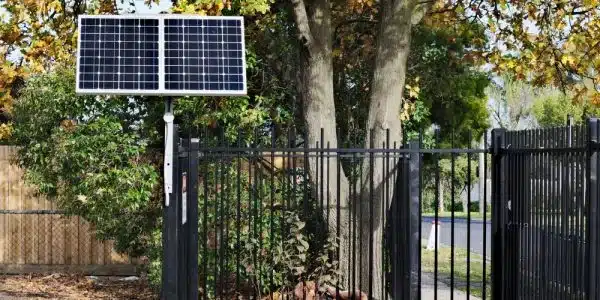
Solar power options support sensor operation during electrical outages. Solar-powered gate openers maintain safety functions even when grid power fails. Additionally, battery backup systems provide temporary operation during emergencies. These resilient configurations prove particularly valuable during California’s Public Safety Power Shutoff events.
Selecting Professional Installation Services
Choosing qualified installers determines gate safety sensors effectiveness and longevity. Walnut Creek homeowners should evaluate potential contractors based on specific qualifications and local experience. Furthermore, understanding industry certifications helps identify competent professionals.
Verify contractor licensing through the California State License Board. C-10 electrical and C-61 specialty licenses indicate appropriate training. Additionally, request proof of insurance including general liability and workers compensation. Furthermore, ask about manufacturer certifications from major sensor and operator brands.
Local experience matters significantly. Contractors familiar with Walnut Creek understand regional soil conditions affecting post stability. Additionally, they know local permitting requirements and inspection procedures. Established relationships with municipal building departments expedite project completion.
Request detailed proposals specifying sensor brands, models, and warranty terms. Furthermore, ask about maintenance program availability. Quality contractors stand behind their work with service agreements. Additionally, they provide thorough operator training ensuring homeowners understand system capabilities and limitations.
Review portfolios of completed local projects. Reputable contractors gladly provide references from nearby installations. Furthermore, they explain why specific sensor configurations suit particular property characteristics. This consultative approach indicates genuine expertise rather than generic installation practices.
Cost Considerations and Value Analysis
Investing in quality gate safety sensors provides substantial value beyond basic purchase price. Understanding cost factors helps Walnut Creek homeowners budget appropriately while recognizing long-term benefits. Furthermore, comparing options requires looking beyond initial expense to total ownership costs.
Basic photoelectric sensor pairs typically represent modest investments relative to total gate system costs. However, premium models with advanced features command higher prices. Additionally, installation complexity affects labor costs significantly. Simple surface mounting costs less than concealed wiring or concrete cutting for loop detectors.
Consider operational costs including energy consumption and maintenance. Modern LED-based sensors use minimal electricity. Furthermore, quality components require less frequent replacement. When evaluating options, calculate five-year ownership costs rather than focusing solely on purchase price.
Insurance implications deserve consideration. Many carriers offer premium discounts for properties with certified safety systems. Additionally, proper sensor installation reduces liability exposure. Consequently, investment in quality safety equipment often pays for itself through risk reduction.
Financing options make safety upgrades accessible for various budgets. Some contractors offer payment plans for larger projects. Additionally, home improvement loans specifically cover safety equipment installations. For comprehensive gate services, established providers often bundle safety upgrades with other improvements for package pricing.
Frequently Asked Questions About Gate Safety Sensors
How do gate safety sensors work with different types of automatic gates?
Gate safety sensors adapt to various gate configurations through specific mounting and programming. For sliding gates, sensors monitor the opening width and travel path. Meanwhile, swing gate installations require sensors covering the arc area where the gate sweeps during operation. Rolling gates utilize through-beam sensors positioned to detect obstacles in the curtain path. Furthermore, vertical lift gates need specialized overhead protection. Each configuration demands professional assessment to determine optimal sensor placement and type. Consequently, working with experienced installers ensures appropriate protection regardless of gate style.
Are gate safety sensors required by law in Walnut Creek, California?
California mandates safety devices for all automatic gate installations under UL 325 standards. These requirements apply specifically to residential, commercial, and industrial applications. Furthermore, local Contra Costa County amendments may impose additional specifications. Compliance inspections verify proper sensor installation before operation approval. Additionally, existing gates require safety upgrades when major repairs occur. Failure to comply exposes property owners to liability if injuries occur. Therefore, professional installation ensures meeting all current regulatory requirements.
Can I install gate safety sensors myself, or do I need professional help?
While technically possible for skilled homeowners, professional installation strongly recommends for several reasons. Proper alignment requires specialized tools and expertise. Furthermore, electrical connections must meet code requirements for outdoor installations. Additionally, warranty coverage often requires certified installation. DIY attempts might save initial costs; however, improper installation creates liability exposure and potential system damage. Consequently, professional service provides better long-term value and peace of mind.
How often should gate safety sensors be tested and maintained?
Monthly functional testing ensures continued protection. This involves placing objects in the gate path and verifying proper stopping or reversal. Additionally, quarterly cleaning maintains optical clarity for photoelectric sensors. Professional annual inspections include sensitivity calibration and component wear assessment. Furthermore, immediate service becomes necessary if sensors show erratic behavior or physical damage. Regular maintenance prevents costly emergency repairs while ensuring consistent safety performance.
What happens if my gate safety sensors malfunction?
Malfunctioning sensors typically cause gates to stop operating or enter safe mode preventing closure. This protective response prevents accidents despite inconvenience. Troubleshooting begins with cleaning lenses and checking alignment. Furthermore, verify that power connections remain secure. If basic steps fail, professional diagnosis identifies whether sensors, wiring, or control boards require attention. Meanwhile, operate gates manually until repairs restore automatic function. Never bypass safety sensors, as this creates serious liability and injury risks.
Do gate safety sensors work during power outages?
Standard sensors require electrical power for operation. However, backup battery systems maintain safety functions during outages. Additionally, solar-powered gate systems provide continuous operation independent of grid power. Some sensors feature supercapacitor backup providing short-term function during brief interruptions. When designing new installations, consider power resilience requirements for your specific situation. Professional consultants can recommend appropriate backup configurations ensuring safety regardless of electrical conditions.
Can gate safety sensors distinguish between people and vehicles?
Advanced sensor systems differentiate between object types through various technologies. Pressure-sensitive edges respond differently to soft human contact versus hard vehicle surfaces. Furthermore, intelligent control systems analyze interruption patterns and duration. Some premium sensors incorporate artificial learning distinguishing between genuine safety concerns and environmental interference. However, basic systems treat all obstructions equally, stopping gate movement regardless of object type. This universal protection ensures safety without discrimination between potential hazards.
Conclusion: Protecting What Matters Most with Gate Safety Sensors
Your automatic gate serves as both welcome and barrier. It greets friends while deterring intruders. However, without proper gate safety sensors, this convenience becomes potential danger. Understanding these protective devices empowers you to make informed decisions about your property’s security infrastructure.
Throughout this guide, we have explored sensor technologies, installation requirements, and maintenance protocols. Furthermore, we have examined regulatory compliance and integration possibilities. This knowledge helps you evaluate existing systems and plan future improvements. Additionally, it prepares you for productive consultations with installation professionals.
Walnut Creek properties deserve safety systems matching their quality and value. Modern gate safety sensors provide invisible protection without compromising aesthetics or convenience. Moreover, they demonstrate your commitment to family and visitor welfare. When properly installed and maintained, these devices operate silently for years, ready to prevent tragedy in critical moments.
Do not wait for a near-miss or accident to address safety concerns. Instead, take proactive steps to evaluate your current gate system. Schedule a professional assessment of your gate safety sensors today. Experienced technicians can identify vulnerabilities and recommend appropriate solutions. Furthermore, they can integrate safety improvements with other upgrades for comprehensive property enhancement.
Contact Rolling Gates now to schedule your complimentary safety evaluation. Our team serves Walnut Creek and surrounding Contra Costa County communities with expertise in automatic gate systems. We understand local conditions and regulations. Additionally, we provide ongoing support ensuring your safety equipment maintains peak performance.
Protect your family, visitors, and property with properly functioning gate safety sensors. The investment proves minimal compared to the peace of mind provided. Call today or complete our online contact form to begin your safety upgrade journey.