Introduction: Understanding Modern Property Security
Have you ever wondered what keeps unauthorized vehicles from entering restricted parking areas, gated communities, or commercial facilities? The answer lies in a sophisticated solution called a barrier gate system. This essential security infrastructure has become increasingly vital for property owners throughout Walnut Creek and the broader Bay Area who seek to protect their assets while maintaining smooth traffic flow.
A barrier gate system represents much more than a simple physical obstruction. It constitutes a comprehensive access control solution that combines mechanical engineering with electronic automation to regulate vehicle entry and exit points. Furthermore, these systems have evolved dramatically over the past decade, incorporating advanced technologies that make them smarter, more reliable, and easier to manage than ever before. According to the International Door Association, automated gate systems have seen significant technological advancement in safety features over recent years.
In this comprehensive guide, we will explore everything you need to know about barrier gate systems. Specifically, we will examine how these security mechanisms work, the various types available for different applications, and why they have become indispensable for both residential and commercial properties in Walnut Creek, California. Additionally, you will discover how Rolling Gates provides professional installation, maintenance, and repair services to ensure your barrier gate system operates flawlessly year after year.
Whether you manage a commercial parking facility, oversee a residential community, or simply want to enhance your property’s security perimeter, understanding barrier gate systems will empower you to make informed decisions about your access control investments.
What Exactly Is a Barrier Gate System?
Defining the Core Components
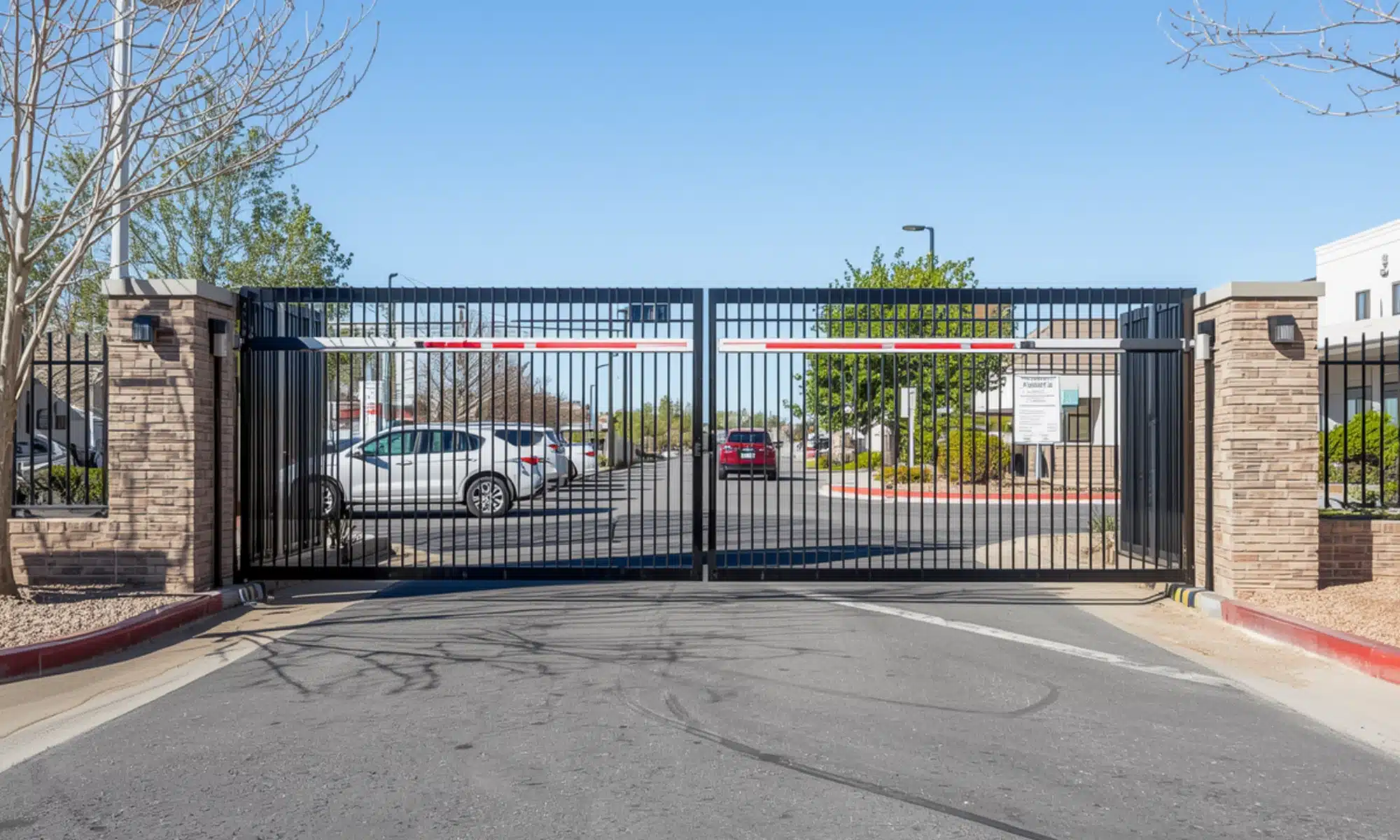
At its fundamental level, a barrier gate system consists of several integrated components working together to control vehicle access. The primary element is the physical barrier arm, typically constructed from aluminum or steel, which rises vertically to allow authorized passage and lowers to block unauthorized entry. However, modern systems extend far beyond this basic mechanism.
In addition to the barrier arm, a complete barrier gate system includes a sturdy housing unit that contains the motor, control board, and electrical components. Moreover, these systems incorporate safety sensors that detect vehicles, pedestrians, or obstacles in the gate’s path. The Consumer Product Safety Commission provides important safety guidelines for automated gate systems to prevent entrapment hazards. Consequently, this multi-layered architecture ensures both security and safety simultaneously.
The control mechanism serves as the brain of the operation. It processes signals from various input devices, such as keypads, card readers, remote controls, or smartphone applications. Subsequently, it commands the motor to raise or lower the barrier arm accordingly. As a result, property owners can customize access permissions based on time schedules, user credentials, or specific security protocols.
How Barrier Gate Systems Differ from Traditional Gates
While many people confuse barrier gates with standard driveway gates, significant distinctions exist between these two security solutions. Traditional gates, such as swing gates or sliding gates, provide complete perimeter enclosure and are designed for individual properties. Conversely, a barrier gate system focuses specifically on vehicle access control at entry and exit points without necessarily providing full perimeter security.
Additionally, barrier gates typically operate much faster than traditional gates. They can open and close within seconds, making them ideal for high-traffic commercial applications. Furthermore, they require less space for installation since they pivot vertically rather than swinging outward or sliding horizontally. Therefore, properties with limited clearance often benefit more from barrier gate installations than from conventional gate systems.
Types of Barrier Gate Systems for Walnut Creek Properties
Automatic Barrier Arms: The Standard Choice
The most common barrier gate system configuration features an automatic barrier arm powered by an electric motor. These systems come in various lengths, typically ranging from 10 to 20 feet, accommodating different lane widths. Additionally, manufacturers offer different boom arm styles, including straight arms, folding arms for low-clearance areas, and fence-style arms for enhanced visibility.
Automatic barrier arms integrate seamlessly with various access control technologies. For instance, they can connect to intercom systems for visitor verification, RFID technology for hands-free entry, or license plate recognition cameras for automated identification. The Automatic Gate and Access Control Association offers industry standards for professional installation and safety compliance. Consequently, property managers can implement sophisticated security protocols without sacrificing convenience.
High-Security Barrier Systems
For facilities requiring enhanced protection, heavy-duty barrier gate system options provide superior resistance to forced entry. These commercial-grade installations feature reinforced boom arms, anti-vandalism housing, and advanced locking mechanisms. Moreover, they often include battery backup systems to maintain operation during power outages, ensuring continuous security coverage.
High-security barriers also incorporate additional safety features. For example, they may include loop detectors embedded in the pavement to sense vehicle presence, or infrared safety beams to detect pedestrians attempting to slip through. Therefore, these systems satisfy stringent safety requirements while delivering robust access control.
Solar-Powered Barrier Gate Solutions
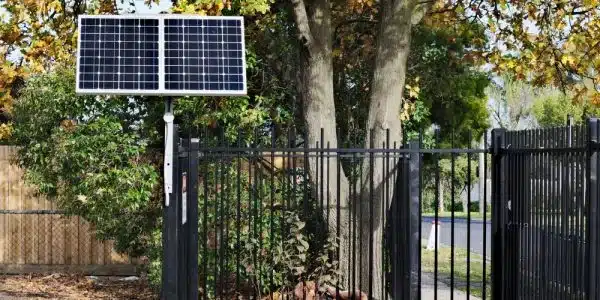
Environmental consciousness drives many Walnut Creek property owners toward sustainable security solutions. Solar-powered gate systems offer an eco-friendly alternative that reduces electricity costs while maintaining full functionality. These installations feature photovoltaic panels that charge battery systems capable of powering the barrier mechanism even during extended cloudy periods.
Solar barrier gate system installations prove particularly valuable for remote locations without convenient electrical access. The U.S. Department of Energy recognizes solar-powered security systems as effective renewable energy applications for commercial and residential use. Additionally, they provide operational continuity during grid failures, enhancing overall security reliability. As a result, many commercial and residential clients increasingly request these sustainable alternatives for their access control needs.
Key Benefits of Installing a Barrier Gate System
Enhanced Security and Access Control
The primary advantage of any barrier gate system lies in its ability to regulate who enters your property. By creating a controlled checkpoint, these systems deter unauthorized vehicles from accessing restricted areas. Furthermore, they create a psychological barrier that discourages casual trespassing attempts.
Modern systems also generate comprehensive access logs. Every entry and exit event gets recorded with timestamps and user identification data. Consequently, property managers can review activity patterns, investigate security incidents, and generate reports for administrative purposes. This audit trail capability proves invaluable for commercial facilities, residential communities, and industrial sites alike.
Improved Traffic Management
Beyond security, a well-designed barrier gate system optimizes vehicle flow through entry and exit points. By automating access verification, these solutions eliminate the bottlenecks caused by manual check-in procedures. Additionally, they can integrate with parking management software to track occupancy levels and guide drivers to available spaces.
For high-volume facilities, multiple barrier gates can coordinate operations to distribute traffic evenly across several lanes. Moreover, advanced systems support different operating modes for peak versus off-peak hours. Therefore, property owners can customize traffic management strategies based on specific operational requirements.
Increased Property Value and Curb Appeal
Security infrastructure investments yield returns beyond immediate protection benefits. Properties equipped with professional barrier gate system installations command higher market values and attract quality tenants or buyers. Additionally, modern barrier gates feature sleek designs that complement architectural aesthetics rather than detracting from them.
Potential residents and commercial tenants increasingly prioritize security when selecting properties. According to the National Association of Realtors, security features significantly influence property values and buyer preferences in residential markets. Consequently, visible access control measures like barrier gates signal that a property owner takes security seriously. This perception enhances desirability and supports premium pricing strategies for rental or sale transactions.
Essential Components of a Modern Barrier Gate System
The Barrier Mechanism and Housing
The physical barrier constitutes the most visible component of any barrier gate system. Manufacturers typically construct these arms from lightweight yet durable aluminum alloys, though steel options exist for high-security applications. The housing unit, usually positioned on one side of the traffic lane, contains the electromechanical drive system that raises and lowers the arm.
Housing designs vary significantly based on application requirements. Standard duty housings suit residential communities and light commercial use. Conversely, heavy-duty enclosures with weatherproofing and tamper-resistant features serve industrial facilities and high-traffic commercial installations. Therefore, selecting appropriate housing specifications ensures long-term reliability and minimal maintenance requirements.
Access Control Integration Points
A barrier gate system functions as part of a broader security ecosystem through various integration capabilities. Common access control interfaces include:
- Proximity card readers for credential-based entry
- Keypad entry systems for code based access
- Vehicle detection sensors for automated operation
- Vehicle detection sensors for enhanced safety protocols
- Remote control receivers for manual override capabilities
- Smartphone applications for modern mobile access solutions
These integration points allow property owners to customize their barrier gate system according to specific operational needs. Furthermore, they enable future upgrades as technology evolves, protecting the initial investment over extended timeframes.
Safety and Security Features
Contemporary barrier gate installations prioritize safety alongside security. The American Society of Mechanical Engineers provides standards for automated gate safety mechanisms to prevent accidents and injuries. Standard safety features include:
- Loop detectors that sense vehicle presence beneath the barrier arm
- Photoelectric sensors that detect obstructions in the gate path
- Emergency release mechanisms for manual operation during power failures
- Warning lights and audible alarms that signal gate movement
- Anti-crush sensors that reverse gate motion when resistance is detected
These protective measures ensure that the barrier gate system operates without risking injury to vehicle occupants or damage to property. Consequently, proper safety configuration remains essential during installation and ongoing maintenance procedures.
Professional Installation Considerations in Walnut Creek
Site Assessment and Planning
Successful barrier gate system installation begins with comprehensive site evaluation. Professional technicians must assess factors including traffic volume patterns, available electrical infrastructure, drainage conditions, and clearance requirements. Additionally, they must verify compliance with local Walnut Creek building codes and accessibility regulations.
Rolling Gates provides thorough site assessments for all barrier gate projects throughout Contra Costa County. Our experienced technicians evaluate your specific requirements and recommend appropriate system configurations. Furthermore, we coordinate with local authorities when permits or inspections become necessary, ensuring complete regulatory compliance.
Integration with Existing Infrastructure
Many Walnut Creek properties already possess some security infrastructure when they decide to upgrade with a barrier gate system. Professional installers must evaluate compatibility with existing access control systems, surveillance cameras, and communication networks. Moreover, they should plan for future expansion capabilities as security needs evolve.
Integration challenges vary based on property age and previous technology investments. However, modern barrier gate controllers typically support multiple communication protocols, facilitating connection with diverse security platforms. Consequently, even older facilities can usually upgrade their access control capabilities without complete infrastructure replacement.
Ongoing Maintenance Requirements
Like any electromechanical system, a barrier gate system requires regular maintenance to ensure reliable operation. Professional service plans typically include periodic inspections of mechanical components, electrical connections, and safety systems. Additionally, technicians should test backup power systems and verify software updates for control systems.
Rolling Gates offers comprehensive gate repair services and maintenance programs for barrier gate installations throughout the Bay Area. Our proactive maintenance approach identifies potential issues before they cause operational failures. Therefore, clients experience minimal downtime and extended equipment lifespan.
Common Applications for Barrier Gate Systems
Commercial and Industrial Facilities
Warehouses, distribution centers, and manufacturing plants utilize barrier gate system installations to secure loading docks, employee parking areas, and restricted zones. These applications demand heavy-duty equipment capable of withstanding frequent operation cycles. Furthermore, they often require integration with time-and-attendance systems for workforce management.
For industrial applications, barrier gates must resist environmental challenges including dust, moisture, and temperature extremes. The Occupational Safety and Health Administration provides workplace safety guidelines relevant to automated gate installations in industrial settings. Consequently, manufacturers offer specialized enclosures with IP ratings suitable for harsh conditions. Additionally, rapid-opening mechanisms accommodate high-volume traffic without creating congestion.
Residential Communities and Gated Neighborhoods
Homeowners associations and residential developments throughout Walnut Creek increasingly implement barrier gate system solutions at community entrances. These installations provide residents with exclusive access while allowing visitor entry through intercom verification. Moreover, they create defined boundaries that enhance community identity and property values.
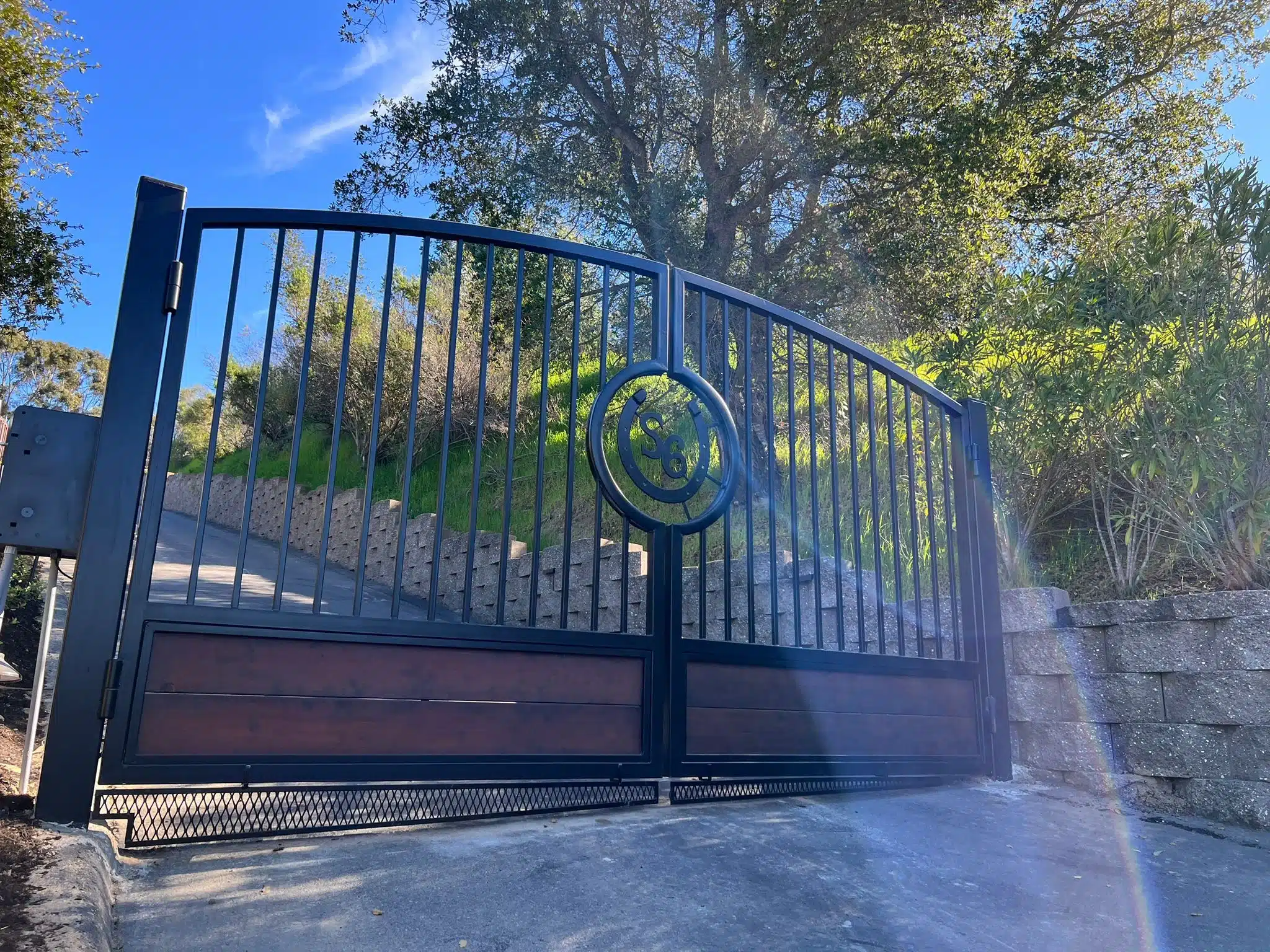
Residential barrier gates typically feature more aesthetic designs than industrial counterparts. Manufacturers offer decorative housing options and custom boom arm finishes that complement neighborhood architectural themes. Therefore, security infrastructure enhances rather than detracts from community visual appeal.
Parking Facilities and Garages
Multi-level parking structures and surface lots represent ideal applications for barrier gate system technology. These installations manage entry and exit flow while integrating with payment processing systems. Additionally, they generate occupancy data that helps operators optimize pricing strategies and space utilization.
Modern parking barrier systems support various payment methodologies including ticket-based systems, pay-by-plate technology, and mobile payment integration. Consequently, facility operators can offer convenient options that reduce transaction friction and improve customer satisfaction.
FAQ: Common Questions About Barrier Gate Systems
What is the typical lifespan of a barrier gate system?
With proper installation and regular maintenance, a quality barrier gate system should operate reliably for 15 to 20 years. However, the actual lifespan depends on usage frequency, environmental conditions, and maintenance quality. High-traffic commercial installations may require component replacement sooner than residential applications. Furthermore, technological obsolescence sometimes prompts upgrades even when mechanical systems remain functional.
To maximize your investment, establish a preventive maintenance schedule with qualified technicians. Additionally, address minor issues promptly before they escalate into major failures. For professional maintenance services in Walnut Creek, consider our affordable gate repair options.
Can a barrier gate system operate during power outages?
Yes, most modern barrier gate system installations include backup power capabilities. Standard configurations feature battery backup systems that maintain operation for several hours during electrical failures. Alternatively, solar-powered systems continue functioning independently of grid availability. Moreover, manual release mechanisms allow physical operation when electronic systems fail.
When evaluating barrier gate options, inquire about backup power specifications and battery maintenance requirements. Consequently, you can ensure continuous security coverage regardless of electrical service interruptions. This consideration proves particularly important for critical infrastructure and high-security facilities.
How does a barrier gate system differ from a parking gate?
While both terms describe vehicle access control equipment, subtle distinctions exist between them. A barrier gate system typically refers to the horizontal arm mechanism that blocks vehicle passage, commonly seen at parking facility entrances. Conversely, “parking gate” sometimes describes broader systems including vertical lift gates or sliding gates used in parking applications.
Functionally, barrier gates pivot vertically and require less lateral space than sliding alternatives. Additionally, they generally operate faster and accommodate higher traffic volumes. Therefore, barrier gates suit applications requiring rapid throughput, while other gate types may better serve locations with specific spatial constraints.
What maintenance does a barrier gate system require?
Regular maintenance ensures optimal barrier gate system performance and longevity. Essential maintenance tasks include lubricating mechanical components, inspecting electrical connections, testing safety sensors, and verifying control system functionality. Furthermore, technicians should examine barrier arm condition and housing integrity for damage or wear indicators.
Seasonal maintenance addresses weather-related concerns particular to Walnut Creek’s climate. For example, clearing debris from housing vents prevents overheating during hot summer months. Similarly, ensuring drainage pathways remain clear protects electrical components during winter rains. Establishing a professional maintenance agreement provides peace of mind and prevents unexpected operational failures.
Can I integrate a barrier gate system with my existing security setup?
Absolutely. Modern barrier gate system controllers support various integration protocols including Wiegand, RS-485, and TCP/IP networking. These interfaces facilitate connection with existing access control panels, surveillance systems, and building management platforms. Additionally, many systems offer API access for custom software integration.
Before purchasing a barrier gate system, document your current security infrastructure and communication standards. Subsequently, verify compatibility with prospective barrier gate controllers. Professional installers like Rolling Gates can evaluate integration requirements and recommend appropriate solutions that maximize your existing technology investments.
How do I choose the right barrier gate system for my property?
Selecting an appropriate barrier gate system requires evaluating several factors including traffic volume, lane width, security requirements, and environmental conditions. Additionally, consider integration needs with existing systems and future expansion possibilities. Budget constraints influence equipment selection, though investing in quality components typically yields lower long-term ownership costs.
Consulting with experienced professionals ensures appropriate system specification. Rolling Gates provides complimentary consultations for Walnut Creek property owners considering barrier gate installations. We assess your specific requirements and recommend solutions that balance performance, reliability, and cost-effectiveness. Furthermore, we can demonstrate various options and explain feature differences to support informed decision-making.
Are barrier gate systems safe for pedestrian areas?
When properly configured with appropriate safety features, a barrier gate system operates safely near pedestrian zones. Essential safety components include photoelectric beams that detect pedestrians approaching the gate path, as well as audible and visual warnings that alert nearby individuals to gate movement. Moreover, safety edges on the barrier arm itself detect contact and trigger immediate reversal.
However, barrier gates primarily design for vehicle control rather than pedestrian management. Therefore, high-pedestrian areas may require complementary fencing or designated walkways to separate foot traffic from vehicle lanes. Professional site assessment identifies potential safety concerns and recommends appropriate protective measures for your specific installation location.
Conclusion: Securing Your Property with Professional Barrier Gate Solutions
Understanding what constitutes a barrier gate system empowers property owners to make informed decisions about their access control infrastructure. These sophisticated security solutions offer far more than simple physical barriers; they provide comprehensive vehicle management capabilities that enhance safety, improve operational efficiency, and increase property values throughout Walnut Creek and the surrounding Bay Area.
From commercial parking facilities to residential communities, barrier gate system installations address diverse security challenges with customizable technology solutions. Modern systems integrate seamlessly with existing security infrastructure while offering scalable expansion capabilities for future growth. Furthermore, advances in solar power and smart technology make these systems more sustainable and user-friendly than ever before.
Rolling Gates stands ready to assist with every aspect of your barrier gate project, from initial consultation through professional installation and ongoing maintenance. Our experienced technicians serve Walnut Creek and all of Contra Costa County with expertise gained from thousands of successful gate installations. Additionally, we maintain comprehensive inventories of replacement parts and provide emergency repair services when urgent situations arise.
Ready to enhance your property security with a professional barrier gate system? Contact Rolling Gates today to schedule your complimentary site assessment. Our team will evaluate your specific requirements, demonstrate available options, and provide detailed proposals tailored to your operational needs and budget parameters. Whether you need a new installation, system upgrade, or maintenance services for existing equipment, we deliver the quality workmanship and responsive service that Walnut Creek property owners deserve.
Call us now or visit our Walnut Creek service page to learn more about how a barrier gate system can transform your property’s security posture and operational efficiency.