When property owners in Walnut Creek, CA search for gate solutions, they often wonder how industrial gates differ from residential installations. Whether you manage a commercial facility, oversee a warehouse operation, or simply want to understand the distinctions between these two categories, recognizing the differences proves crucial for making informed decisions. Furthermore, the wrong choice can lead to security vulnerabilities, operational inefficiencies, or unnecessary expenses.
At Rolling Gates, we specialize in both commercial gate installations and residential systems throughout the Bay Area. Consequently, we understand the unique requirements that separate industrial applications from home installations. This comprehensive guide explores the key distinctions, helping you determine which solution best fits your specific needs.
Understanding the Fundamental Differences Between Industrial and Residential Gates
The primary distinction begins with purpose and scale. Industrial gates serve commercial, manufacturing, and high-traffic environments. In contrast, residential gates focus on privacy, aesthetics, and moderate security for single-family homes. Moreover, the engineering standards differ significantly between these two categories.
Design Philosophy and Primary Functions
Industrial gates prioritize functionality above all else. These systems must withstand constant use, harsh weather conditions, and potential security threats. Additionally, they often integrate with access control systems, surveillance cameras, and employee management protocols. Therefore, manufacturers build industrial gates with reinforced materials and heavy-duty components.
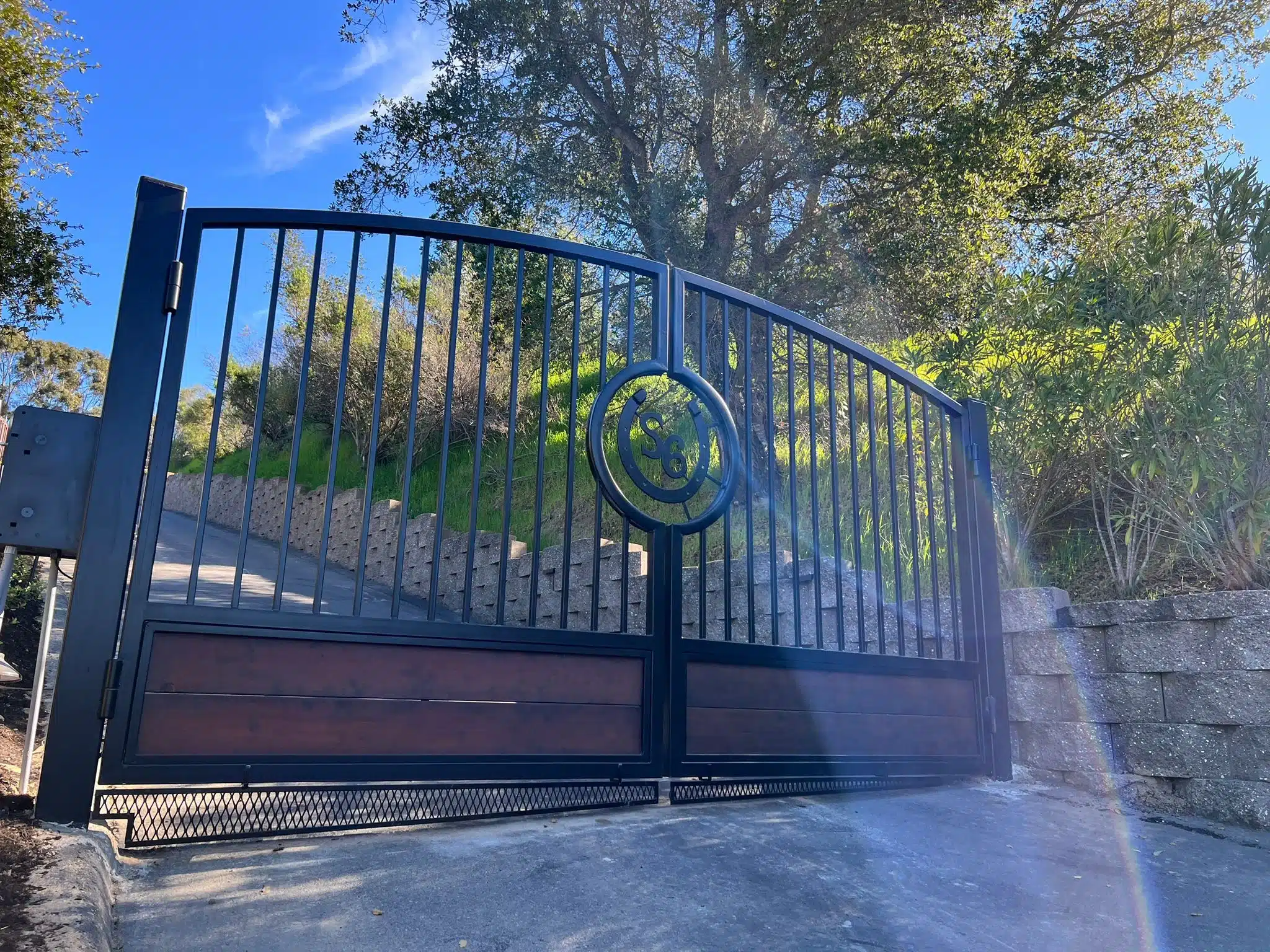
Residential gates, on the other hand, balance security with curb appeal. Homeowners typically want attractive designs that complement their property architecture. As a result, residential installations often feature ornamental elements, decorative finishes, and customizable aesthetics. Nevertheless, modern residential gates still offer excellent security features; they simply approach protection differently than their industrial counterparts.
Material Selection and Construction Standards
Material choices reveal significant differences between these gate types. According to construction safety standards established by OSHA industrial facilities must prioritize worker safety through proper equipment selection. Industrial gates frequently utilize galvanized steel, aluminum alloys, or heavy-gauge chain link materials. These substances resist corrosion, endure physical impact, and support frequent operation cycles. Similarly, industrial installations may incorporate reinforced concrete footings and structural steel frameworks.
Residential gates commonly feature wrought iron, wood, vinyl, or lightweight aluminum. While durable, these materials emphasize visual appeal alongside functionality. Furthermore, residential installations rarely require the same load-bearing capacity as commercial systems. For property owners in Walnut Creek seeking residential solutions, our team offers various aesthetic options that maintain security without sacrificing style.
Security Features: How Industrial Gates Provide Enhanced Protection
Security represents a critical area where industrial gates differ from residential models. Commercial facilities face unique threats requiring sophisticated deterrent measures.
Access Control Integration Capabilities
Industrial gates seamlessly connect with advanced access control systems. These integrations include keycard readers, biometric scanners, license plate recognition cameras, and intercom networks. Additionally, facility managers can program time-based access restrictions and monitor entry logs remotely. Such capabilities prove essential for warehouses, distribution centers, and manufacturing plants.
Residential gates typically offer simpler access methods. Keypads, remote controls, and basic intercom systems satisfy most homeowner needs. However, modern residential installations increasingly incorporate smart home technology. Therefore, the gap between residential and commercial access control continues narrowing, though industrial systems maintain superior scalability and customization.
Physical Security Specifications
The physical construction of industrial gates provides formidable barriers against unauthorized entry. These gates often measure taller than residential versions, frequently exceeding eight feet in height. Moreover, industrial designs may include anti-climb features, barbed wire toppings, or crash-resistant reinforcements. Such specifications protect valuable inventory, equipment, and intellectual property.
Residential gates generally stand between four to six feet tall, depending on local zoning regulations and homeowner preferences. While effective against casual trespassers, these heights accommodate neighborhood aesthetics and municipal codes. For enhanced residential security in Contra Costa County, we recommend combining quality gates with surveillance cameras and motion-activated lighting.
Operational Demands and Automation Requirements
Daily usage patterns create substantial distinctions between industrial and residential gate systems. Understanding these operational differences ensures appropriate equipment selection.
Frequency of Use and Durability Expectations
Industrial gates operate continuously throughout business hours. Some facilities require hundreds of daily cycles, placing immense strain on motors, hinges, and track systems. Consequently, industrial gate openers feature heavy-duty motors with higher horsepower ratings and continuous-duty cycles. These robust mechanisms prevent overheating and premature failure under demanding conditions.
Residential gates typically open and close fewer than twenty times daily. Standard-duty openers handle this frequency easily, often lasting years with minimal maintenance. Nevertheless, choosing quality components remains important for automatic driveway gates in residential settings. Our installation team ensures proper sizing for your specific usage patterns.
Speed and Efficiency Considerations
Industrial applications frequently require rapid gate operation to maintain traffic flow. Slow-moving gates create bottlenecks at busy commercial entrances, frustrating employees and delivery drivers. Therefore, high-speed industrial gates open and close within seconds, utilizing powerful operators and optimized mechanical designs.
Residential gates prioritize smooth, quiet operation over speed. Homeowners appreciate gradual movement that minimizes noise and mechanical stress. Additionally, slower speeds enhance safety around children and pets. If you reside in Lafayette or surrounding areas, we can recommend opener models balancing efficiency with peaceful operation.
Size, Scale, and Installation Complexity
Physical dimensions and installation requirements further demonstrate how industrial gates differ from residential systems.
Gate Dimensions and Weight Capacities
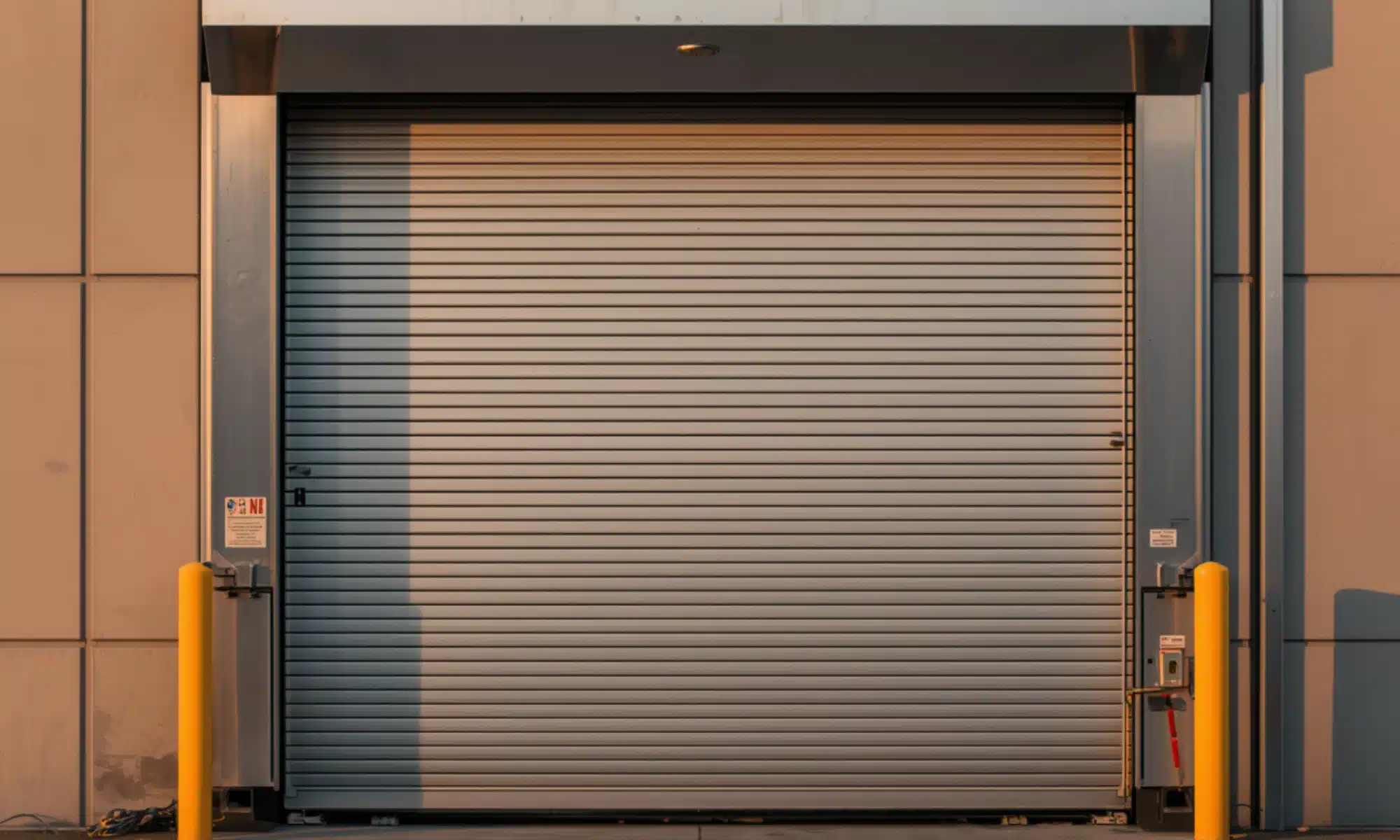
Industrial gates accommodate large vehicle access, including semi-trucks, delivery vans, and emergency vehicles. These installations may span thirty feet or more in width, requiring substantial support structures and specialized foundation work. Furthermore, industrial rolling gates often weigh several thousand pounds, demanding reinforced mounting systems.
Residential gates typically measure between ten to sixteen feet wide for single driveways. Double-driveway installations rarely exceed twenty feet. These smaller dimensions simplify installation and reduce structural requirements. For properties in Pleasant Hill with unique access needs, our designers create custom solutions balancing size constraints with functional requirements.
Installation Site Preparation
Industrial gate installation involves extensive site preparation. Contractors must assess soil conditions, drainage patterns, electrical infrastructure, and underground utilities. Additionally, commercial installations often require permits, inspections, and compliance with building codes and safety regulations. The International Building Code provides standards that guide commercial gate installations. These complexities necessitate experienced professionals familiar with commercial construction standards.
Residential installations generally proceed more straightforwardly. Most homes feature existing driveways and clear access points. However, proper preparation still matters for longevity and performance. Our gate repair and installation services include thorough site evaluation regardless of project scale.
Maintenance Requirements and Long Term Care
Ongoing maintenance represents another crucial distinction between industrial and residential gate systems.
Scheduled Maintenance Protocols
Industrial gates require rigorous maintenance schedules to ensure continuous operation. Facility managers must inspect track systems weekly, lubricate moving parts monthly, and test safety systems quarterly. Additionally, professional technicians should service industrial operators annually, checking motor performance, gear alignment, and electrical connections. Preventive maintenance prevents costly downtime that could disrupt business operations.
Residential gates need less intensive care. Homeowners should visually inspect systems monthly, keeping tracks clear of debris and testing safety features periodically. Annual professional inspections catch developing issues before they become serious problems. For residents throughout Alameda County and beyond, we offer maintenance packages tailored to residential needs.
Component Replacement and Repair Complexity
Industrial gate repairs often require specialized parts and technical expertise. Commercial operators, heavy-duty springs, and reinforced hardware aren’t typically available at retail stores. Therefore, industrial facility managers benefit from establishing relationships with qualified service providers before emergencies occur.
Residential gate repairs generally involve more accessible components. Many homeowners can perform basic troubleshooting, such as checking power connections or clearing track obstructions. However, complex repairs involving gate openers or structural issues still require professional attention. Our technicians serve residential clients across San Mateo County with prompt, reliable service.
Cost Considerations and Investment Value
While specific pricing varies by project, understanding general cost structures helps property owners budget appropriately.
Initial Investment and Installation Expenses
Industrial gate systems represent significant capital investments. The combination of heavy-duty materials, specialized operators, access control integration, and professional installation creates higher upfront costs. However, these investments protect valuable assets and support business operations, often proving essential rather than optional.
Residential gates offer more accessible entry points for homeowners. Basic systems provide security and convenience at moderate prices, while premium options with advanced features cost more. Regardless of budget, quality installation ensures optimal performance and longevity. Property owners in Danville and nearby communities can explore various options matching their financial parameters.
Long-Term Value and Return on Investment
Industrial gates deliver returns through enhanced security, reduced liability, and operational efficiency. Insurance providers may offer premium discounts for facilities with professional security installations. Additionally, controlled access prevents theft and vandalism, protecting inventory and equipment investments.
Residential gates increase property values while providing privacy and security. Many homeowners recoup installation costs through improved curb appeal and marketability. Furthermore, the convenience of automated entry enhances daily quality of life. For those considering access control systems, modern residential options offer impressive capabilities at reasonable prices.
Regulatory Compliance and Safety Standards
Both industrial and residential gates must comply with safety regulations, though requirements differ significantly.
Commercial Safety Requirements
Industrial gates face stringent safety standards due to their scale and operational environment. The Occupational Safety and Health Administration mandates specific protections for employees working near automated gates. Additionally, commercial installations must comply with fire code requirements, ensuring emergency access and egress capabilities. Regular inspections verify compliance and identify potential hazards.
Professional installation teams understand these complex requirements. They integrate safety edges, photo eyes, and emergency release mechanisms that protect workers and visitors. For businesses in San Francisco and the greater Bay Area, compliance with local regulations proves essential for avoiding penalties and liability.
Residential Safety Features
Residential gates must comply with Underwriters Laboratories standards and local building codes. These regulations mandate entrapment protection, requiring sensors that detect obstacles and reverse gate movement. Additionally, residential gates need manual release mechanisms for power outages or emergencies.
Modern residential systems incorporate impressive safety technology. However, proper installation and calibration remain crucial for effective protection. Homeowners should never disable safety features, even temporarily, as serious injuries can result. Our FAQ about electric gates provides additional safety information for residential customers.
Environmental Considerations and Sustainability
Modern gate systems increasingly address environmental concerns, with industrial and residential applications offering different sustainability approaches.
Industrial Sustainability Features
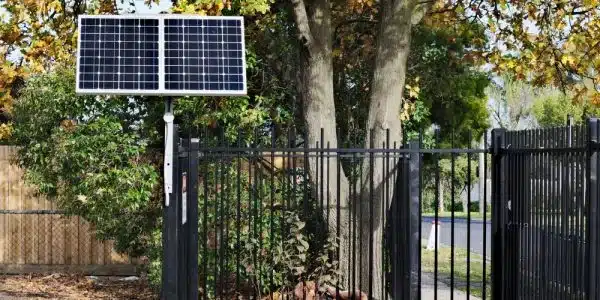
Large-scale operations can significantly impact environmental footprints. Consequently, many industrial gates now incorporate energy-efficient operators, solar power compatibility, and recycled materials. Additionally, industrial facilities may utilize solar-powered gate openers to reduce grid dependence and operating costs.
Smart integration allows industrial gates to participate in facility-wide energy management systems. Operators can program gates to minimize power consumption during non-operational hours. Furthermore, durable construction reduces replacement frequency, minimizing material waste over time.
Residential Eco-Friendly Options
Homeowners increasingly prioritize environmental responsibility in gate selection. Residential options include sustainably sourced wood, recycled aluminum, and low-power operators. Solar compatibility appeals to eco-conscious homeowners seeking energy independence.
Additionally, residential gates contribute to home energy efficiency by controlling airflow and reducing heat loss through enclosed properties. For environmentally minded residents in Marin County, we recommend discussing green options during consultation.
Choosing the Right Gate Solution for Your Needs
Understanding how industrial gates differ from residential systems guides appropriate selection. However, individual circumstances may create overlap between these categories.
When Residential Gates Suit Commercial Applications
Small businesses, professional offices, and boutique retail locations sometimes prefer residential-style gates. These properties prioritize customer experience and neighborhood integration over heavy-duty security. Attractive designs welcome visitors while still providing after-hours protection. Therefore, commercial clients should discuss their specific priorities rather than automatically choosing industrial specifications.
When Residential Properties Need Industrial Features
High-value residential estates, compounds, or properties with specific security concerns may benefit from industrial-grade installations. Celebrity homes, technology executives, and families with safety concerns sometimes require enhanced protection exceeding standard residential offerings. In such cases, hybrid solutions combine industrial strength with residential aesthetics.
Our team serves diverse clients throughout Sonoma County and surrounding regions, customizing solutions for unique requirements. Whether you need basic residential security or comprehensive commercial protection, we deliver appropriate recommendations.
Frequently Asked Questions About Industrial and Residential Gates
Property owners commonly ask specific questions when researching gate solutions. The following addresses frequent inquiries with detailed explanations.
What materials last longest for industrial gate installations?
Steel and aluminum alloys provide superior longevity for industrial applications. Galvanized steel resists rust and corrosion, particularly important in coastal Bay Area environments. Aluminum offers lighter weight with excellent durability, reducing strain on operators while maintaining strength. Furthermore, powder-coated finishes protect against UV damage and chemical exposure. Regular maintenance extends material lifespan significantly, regardless of initial selection.
Can residential gate openers handle commercial usage patterns?
Generally, residential openers cannot sustain commercial duty cycles without premature failure. Using underpowered equipment in high-traffic situations creates safety hazards and violates manufacturer warranties. However, light commercial applications with moderate traffic may successfully utilize heavy-duty residential models. Professional assessment determines appropriate equipment sizing for specific usage patterns. We recommend consulting experienced technicians before making such decisions.
How do access control needs differ between industrial and residential gates?
Industrial facilities require sophisticated access management integrating with broader security infrastructure. Multi-user environments demand audit trails, time-based permissions, and centralized control capabilities. Residential systems typically serve family members and occasional visitors, requiring simpler yet secure access methods. Modern technology increasingly bridges this gap, offering residential clients advanced features previously available only commercially. Intercom systems provide excellent solutions for both categories.
What maintenance schedule ensures optimal industrial gate performance?
Weekly visual inspections identify obvious issues like track debris or visible damage. Monthly lubrication of rollers, hinges, and chains prevents premature wear. Quarterly safety system testing verifies proper function of sensors and emergency features. Annual professional service includes motor analysis, gear inspection, and electrical connection evaluation. Facilities with extreme usage or harsh conditions may require more frequent attention. Establishing maintenance contracts ensures consistent care without management burden.
Are industrial gates significantly louder than residential models?
Industrial gates often produce more operational noise due to heavier components and higher-speed operation. However, modern engineering minimizes this difference through precision manufacturing and sound-dampening technologies. Residential gates prioritize quiet operation, utilizing belt drives and cushioned components. Location considerations matter; industrial facilities typically tolerate more noise than residential neighborhoods. Professional installation includes proper adjustment to minimize unnecessary sound generation.
How do weather conditions affect industrial versus residential gate selection?
Industrial gates face harsher environmental exposure due to larger surface areas and constant operation. Wind loading becomes critical for tall, wide installations, requiring reinforced designs and appropriate operator power. Coastal properties encounter salt air corrosion, necessitating specialized materials and finishes. The National Weather Service provides local climate data that should inform material selection for your specific region. Residential gates experience similar but less severe challenges. Both categories benefit from weather-resistant construction, though industrial specifications generally prove more robust. Property owners in Napa County should consider local climate conditions during selection.
Can existing residential gates upgrade to industrial-grade security?
Partial upgrades often enhance residential security without complete replacement. Heavy-duty operators, additional locking mechanisms, and access control integration strengthen existing installations. However, physical gate structure limits upgrade potential; lightweight materials cannot match solid steel security regardless of accessories. Professional evaluation determines viable improvement options versus replacement recommendations. Sometimes, strategic modifications provide adequate protection at moderate investment.
Conclusion: Making Informed Gate Decisions in Walnut Creek
Understanding how industrial gates differ from residential systems empowers property owners to make informed decisions. These distinctions span design philosophy, materials, security features, operational demands, installation complexity, maintenance requirements, and regulatory compliance. Furthermore, recognizing these differences prevents costly mismatches between expectations and capabilities.
For commercial facilities in Walnut Creek and throughout the Bay Area, industrial gates provide essential security, access control, and operational efficiency. Heavy-duty construction, advanced automation, and professional installation protect valuable assets while supporting business functions. Conversely, residential gates balance security with aesthetics, enhancing property values and daily convenience for homeowners.
At Rolling Gates, we bring expertise to both commercial and residential installations across Contra Costa County and beyond. Our team understands the unique requirements separating industrial applications from residential projects. Additionally, we recognize when properties benefit from hybrid approaches or upgraded specifications.
Whether you manage a warehouse facility requiring comprehensive security or seek enhanced privacy for your family home, professional guidance ensures optimal results. We invite you to contact our team for personalized consultation. Together, we’ll evaluate your specific needs, discuss available options, and implement solutions delivering lasting value and protection.
Don’t compromise on gate quality; the right installation serves your property reliably for decades. Reach out today to discover how Rolling Gates can secure your industrial facility or residential property with expertly designed, professionally installed gate systems tailored to your exact requirements.
About Rolling Gates: Serving Walnut Creek, CA and the greater Bay Area with professional gate installation, repair, and maintenance services. Specializing in both industrial and residential applications with commitment to quality, safety, and customer satisfaction.
Service Areas: Walnut Creek | Concord | Pleasant Hill | Lafayette | Orinda | Moraga | Danville | San Ramon | Martinez | Clayton | Brentwood | Antioch | Oakley | Pittsburg | Richmond | Pinole | Hercules | El Cerrito | San Pablo and surrounding communities.