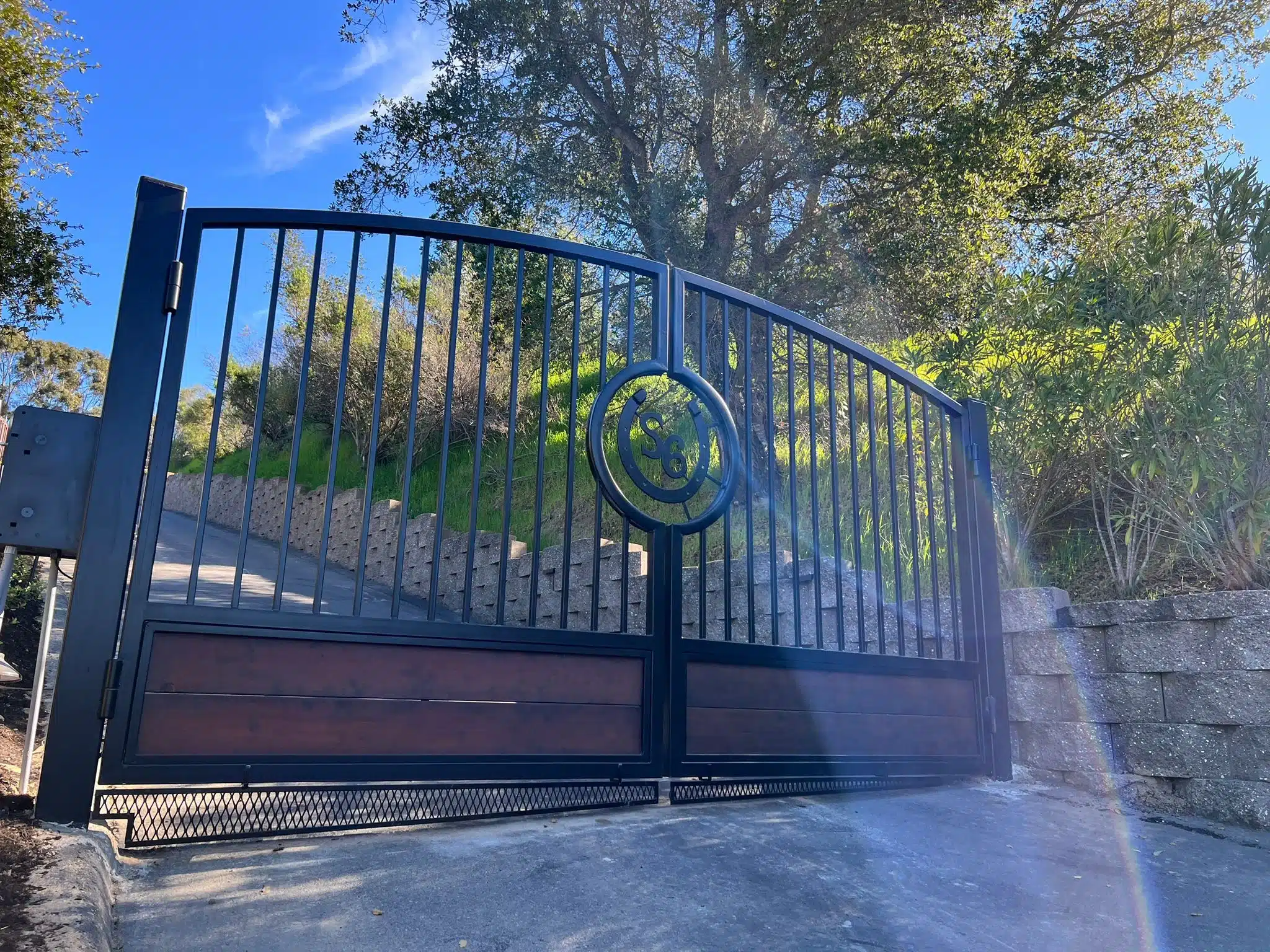
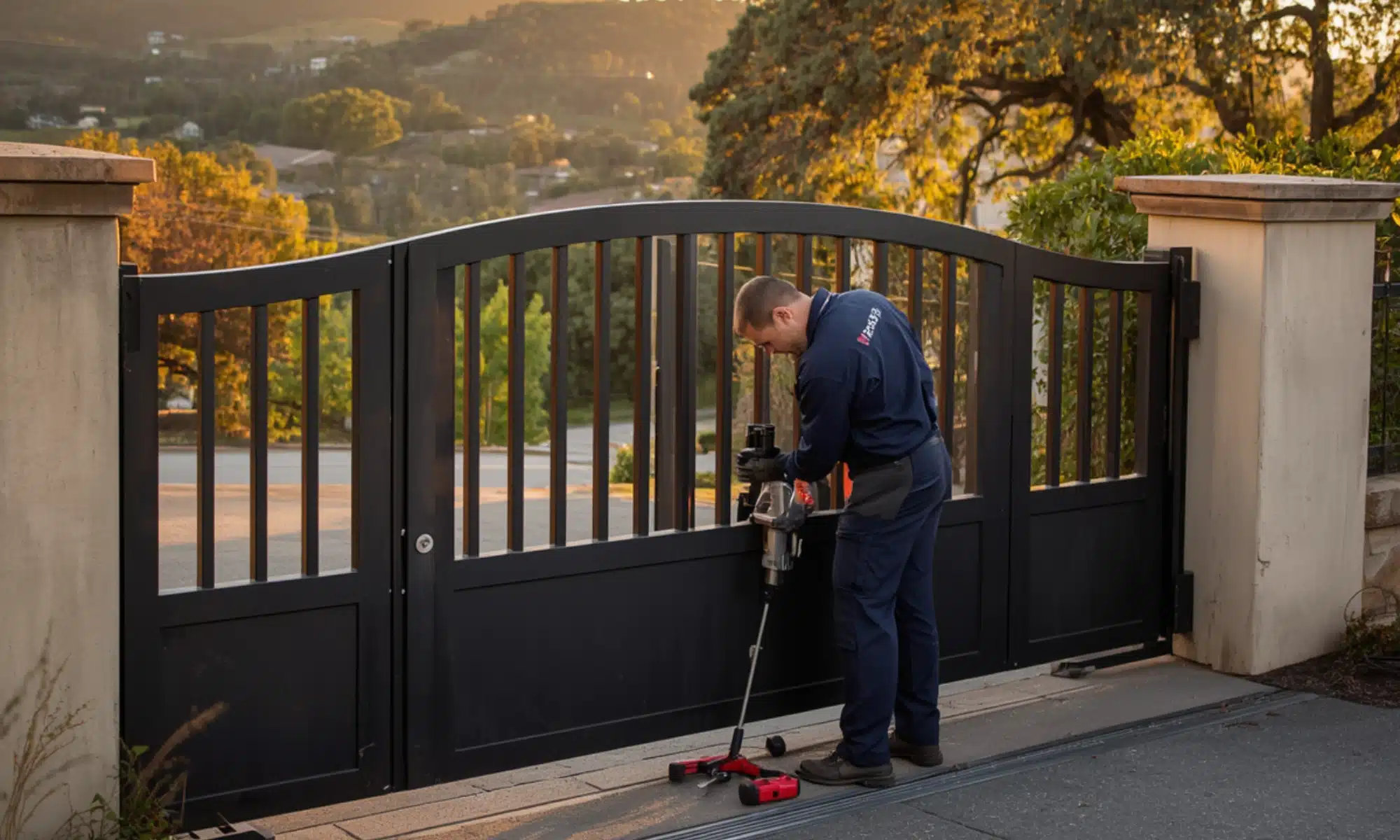
Picture this scenario: you are returning home after a long day, and suddenly your automatic gate refuses to budge. Perhaps a storm has knocked out power throughout Walnut Creek, or maybe the gate motor has malfunctioned unexpectedly. In these moments, knowing whether you can manually open an automatic gate becomes absolutely essential. Fortunately, most modern automatic gate systems include manual override features specifically designed for these emergency situations.
At Rolling Gates, we frequently receive calls from homeowners across the Bay Area asking the same urgent question: “Can you manually open an automatic gate when the power goes out?” The answer is yes, provided you understand your specific gate system and follow proper safety protocols. Moreover, learning these procedures beforehand can save you significant stress during actual emergencies. For comprehensive safety guidelines on automatic gate systems, the Consumer Product Safety Commission provides valuable resources on residential gate safety standards and child protection measures.
This comprehensive guide explains everything Walnut Creek residents need to know about manual gate operation. We will cover different gate types, safety mechanisms, step-by-step procedures, and when to call professional help. Additionally, we will explore the various manual override systems available and how to maintain them for reliable emergency access.
Understanding Manual Override Systems in Automatic Gates
Modern automatic gates are engineered with redundancy in mind. Manufacturers recognize that electronic systems can fail, so they incorporate mechanical backup options. Consequently, nearly every automatic gate installed today includes some form of manual release mechanism.
The manual override system essentially disconnects the gate from the motorized drive mechanism. This disengagement allows the gate to move freely along its track or hinges without electrical power. Furthermore, these systems are designed to be accessible yet secure, preventing unauthorized manual operation while allowing legitimate owners emergency access.
Different gate styles employ varying manual release methods. For instance, sliding gates typically use lever-style releases located on the gate motor housing. Conversely, swing gates often feature pin or clutch mechanisms that disconnect the arm or hydraulic system. Meanwhile, rolling gates and commercial roll-up doors usually incorporate chain hoists or crank handles for manual operation.
Understanding your specific gate type is crucial because each system requires slightly different handling. Therefore, we recommend locating your manual release mechanism and practicing the procedure before an emergency occurs. This preparation ensures you can confidently manually open an automatic gate when necessary.
How to Manually Open Different Types of Automatic Gates
Sliding Gates: Step-by-Step Manual Release
Sliding gates are popular throughout Walnut Creek neighborhoods because they maximize driveway space. When you need to manually open an automatic gate of this variety, follow these careful steps.
First, locate the manual release lever on your gate operator motor. This component is typically housed in a protective cover near the motor assembly. Next, insert the release key if your system requires one; some models use universal keys while others have proprietary designs. Then, turn the key or pull the lever according to your manufacturer’s instructions. This action disengages the motor clutch, allowing the gate to move freely.
After releasing the clutch, you can push the gate along its track. However, exercise caution because sliding gates are heavy and may move faster than expected on inclined driveways. Additionally, be aware that some systems require you to hold the release lever while operating the gate manually.
Once you have opened the gate sufficiently, secure it with the provided mechanical stop or block to prevent unintended closure. Finally, when power returns or repairs are completed, re-engage the motor clutch by reversing the release procedure. Test the automatic operation to ensure everything functions correctly before relying on electronic controls again.
Swing Gates: Manual Operation Procedures
Swing gates offer classic elegance and are common in residential driveway installations throughout Contra Costa County. These gates present unique considerations when you need to manually open an automatic gate during emergencies.
Begin by identifying whether your swing gate uses linear actuators, hydraulic arms, or underground operators. Each configuration has distinct manual release locations. For above-ground operators, look for release levers or pull cords near the motor housing. Underground systems typically require accessing a separate release mechanism near the gate hinge.
To manually operate the gate, first ensure the area is clear of obstacles and bystanders. Then, activate the manual release according to manufacturer specifications. This step usually involves pulling a handle, turning a key, or pressing a button while simultaneously moving the gate. Some systems require two people for safe manual operation, particularly with large or heavy gates.
Move the gate slowly and steadily, watching for binding or resistance that might indicate mechanical issues. If you encounter significant resistance, stop immediately and contact a professional gate repair service rather than forcing the mechanism. After completing manual operation, remember to reset the system properly to restore automatic functionality.
Rolling Gates and Commercial Applications
Commercial properties and some residential installations use rolling gates that coil into a compact housing above the opening. These systems require different approaches when you need to manually open an automatic gate of this design.
Most rolling gates include a chain hoist system for manual operation. Look for a red pull cord or chain hanging from the motor housing. Pulling this chain engages a gear mechanism that allows you to raise or lower the gate manually. Alternatively, some models feature a hand crank that inserts into a specific port on the motor assembly.
When operating a rolling gate manually, maintain steady pressure and avoid sudden movements. The coiled spring system stores significant energy, making uncontrolled release potentially dangerous. Furthermore, never attempt manual operation if you notice damaged slats, misaligned tracks, or broken springs. These conditions require immediate professional attention from Rolling Gates technicians.
Safety Considerations When Operating Gates Manually
Safety must remain your top priority whenever you manually open an automatic gate. These systems involve substantial moving mass and stored mechanical energy that can cause serious injury if mishandled.
Always wear protective gloves when handling manual release mechanisms. Metal components may have sharp edges, and outdoor exposure can create rust or debris hazards. Similarly, ensure children and pets remain well clear of the gate path during manual operation. Gates can move unexpectedly once disengaged from motor control.
Before attempting manual release, visually inspect the gate and track for obvious damage. Bent tracks, broken wheels, or damaged hinges can cause the gate to derail or fall during manual movement. If you observe any structural concerns, refrain from manual operation and seek professional assistance immediately.
Additionally, consider weather conditions before manually operating your gate. Wet or icy surfaces increase slip hazards, while high winds can catch large gates and make them difficult to control. In severe weather, waiting for professional help may be safer than attempting DIY manual operation. For detailed safety codes and standards regarding emergency access systems, consult the National Fire Protection Association guidelines on building egress and access requirements.
Common Reasons You Might Need Manual Gate Operation
Understanding why automatic gates fail helps you prepare for emergencies. Several scenarios commonly necessitate that you manually open an automatic gate in Walnut Creek and surrounding areas.
Power outages represent the most frequent cause of gate failure. California’s electrical grid experiences stress during extreme weather, and local outages can leave electric gates inoperable for hours. Having battery backup systems or solar-powered gate openers reduces this risk, though manual override remains essential for complete system failures.
Mechanical malfunctions also require manual intervention. Worn motors, damaged circuit boards, or failed safety sensors can disable automatic functions while leaving the gate mechanically sound. In these cases, manual operation provides temporary access until repairs restore normal function.
Emergency situations sometimes demand immediate gate access regardless of system status. Medical emergencies, fire threats, or security concerns may require bypassing normal operating procedures. Knowing how to quickly manually open an automatic gate could prove lifesaving during these critical moments.
Maintaining Your Manual Override System for Reliability
Like all mechanical systems, manual release mechanisms require periodic maintenance to ensure they function when needed. Neglecting these components can result in seized levers, corroded chains, or inaccessible release points during emergencies.
Schedule quarterly inspections of your manual release system. Check that levers move freely, chains operate smoothly, and keys turn without excessive force. Lubricate moving parts with appropriate products recommended by your gate manufacturer. Additionally, verify that release mechanism covers remain intact and protect internal components from moisture and debris.
Keep manual release keys in accessible yet secure locations. Store them where designated family members can find them quickly, but avoid obvious spots that intruders might check. Consider informing trusted neighbors about key locations if you travel frequently.
Professional maintenance visits should include manual system testing. When you schedule automatic gate repair services, request that technicians demonstrate and verify manual override functionality. This proactive approach ensures you can manually open an automatic gate confidently when circumstances require it.
Upgrading to Better Manual Override Capabilities
If your current gate system lacks reliable manual override features, consider upgrading to modern equipment. Contemporary gate operators offer improved manual release designs that are more intuitive and safer to operate.
Newer systems often include external manual release ports that are easier to access than internal mechanisms. Some advanced models feature battery backup systems that maintain automatic operation during short outages, reducing the frequency of manual intervention needs. Additionally, smart gate systems can alert you to power failures and provide step-by-step manual operation guidance through mobile applications. Energy-efficient backup power solutions for gate systems can be explored through ENERGY STAR resources on residential battery storage and backup power technologies.
When evaluating upgrades to automatic gates, discuss manual override options with your installer. Ensure the chosen system meets your household’s physical capabilities and emergency preparedness needs. Rolling Gates consultants can recommend appropriate solutions for Walnut Creek properties based on your specific requirements.
When to Call Professional Gate Technicians
While knowing how to manually open an automatic gate is valuable, recognizing when professional help is necessary is equally important. Certain situations demand expert intervention rather than DIY attempts.
Contact Rolling Gates immediately if you encounter resistance during manual operation that feels abnormal or excessive. Forcing a gate against mechanical binding can cause catastrophic damage or personal injury. Similarly, if the gate appears misaligned, makes unusual noises, or shows visible structural damage, professional assessment is essential.
After any manual operation incident, schedule a system inspection to verify that re-engagement with automatic controls occurred properly. Improperly reset systems may operate unpredictably, creating safety hazards or causing additional wear. Our 24/7 emergency repair services ensure Walnut Creek residents receive prompt assistance whenever gate emergencies arise.
Frequently Asked Questions About Manual Gate Operation
How do I know if my automatic gate has a manual override feature?
Most modern automatic gates include manual override capabilities as standard safety features. Look for release levers, pull cords, or key-operated mechanisms on the gate motor housing. Additionally, consult your owner’s manual or contact the manufacturer to confirm your specific model’s manual operation features. If you cannot locate these components, a professional inspection can identify and demonstrate your system’s manual capabilities.
Can manually opening my automatic gate damage the motor or mechanism?
When performed correctly according to manufacturer guidelines, manual operation should not damage your gate system. However, improper technique or forcing the mechanism against resistance can cause harm. Always follow specified procedures, avoid excessive force, and ensure the system returns to automatic mode properly after manual use. If you have concerns about proper technique, schedule a demonstration with a qualified technician.
What should I do if my gate is stuck closed and the manual release doesn’t work?
First, verify you are using the correct procedure for your specific gate type. Check for visible obstructions, ice formation, or mechanical damage preventing movement. If the gate remains immobile after proper manual release activation, contact emergency gate repair services immediately. Attempting to force the gate can cause serious injury or expensive damage.
Are there automatic gates that cannot be opened manually?
While rare, some highly specialized security gates may lack manual override features for enhanced protection. However, these systems are uncommon in residential settings and typically require backup power systems or alternative emergency access methods. Most residential and commercial gates sold today include mandatory manual release capabilities to comply with safety regulations.
How often should I test my gate’s manual override system?
Test your manual release mechanism at least twice annually, ideally before seasons when power outages are most likely in your region. Regular testing ensures components remain functional and helps family members remember proper procedures. Document any stiffness, unusual noises, or operational difficulties encountered during testing, and address these issues promptly with maintenance services.
Can I add manual override capabilities to an existing automatic gate?
In many cases, yes. Depending on your current operator model, technicians may be able to retrofit manual release mechanisms or upgrade to operators with better manual features. Consult with Rolling Gates professionals to evaluate your existing system and discuss upgrade possibilities that enhance your emergency preparedness.
What safety features prevent unauthorized manual gate opening?
Manufacturers incorporate several security measures into manual override systems. These may include keyed releases requiring specific keys, internal mechanisms accessible only from the secured side of the property, or covers that require tools to access. Additionally, some systems feature alarm triggers that activate when manual release is engaged, alerting property owners to potential tampering. For additional guidance on access control security standards, ASIS International provides professional security industry resources and best practices.
Conclusion: Be Prepared to Manually Open Your Automatic Gate
Understanding how to manually open an automatic gate provides peace of mind for Walnut Creek homeowners and business operators alike. Power failures, mechanical issues, and emergencies can strike unexpectedly, making manual override knowledge invaluable. By familiarizing yourself with your specific gate system, maintaining manual components regularly, and knowing when to seek professional assistance, you ensure continuous access to your property regardless of circumstances.
Rolling Gates has served the Bay Area with expert gate installation, maintenance, and repair services for years. Our technicians can demonstrate manual operation procedures for your specific system, perform safety inspections, and upgrade outdated equipment to modern standards. Whether you need immediate emergency gate assistance or want to schedule preventive maintenance, we stand ready to help.
Contact Rolling Gates today to schedule a comprehensive gate system evaluation. Let us ensure your automatic gate provides reliable security while maintaining the manual backup capabilities essential for true emergency preparedness. Remember: the time to learn how to manually open an automatic gate is before you need to do it in an urgent situation.
Rolling Gates serves Walnut Creek, CA and the entire Bay Area with professional gate installation, repair, and maintenance services. Visit our service areas page to confirm coverage in your location.