
Your automatic gate stands as the silent guardian of your property. Furthermore, it operates faithfully through scorching summers, damp winters, and everything in between. However, many property owners in Walnut Creek, CA fail to recognize how dramatically atmospheric conditions impact their gate systems. Consequently, understanding how weather affects gate performance becomes essential for maintaining reliable access control year-round.
The East Bay climate presents unique challenges for automated entry systems. In addition to seasonal temperature swings, marine influences from the nearby bay create humidity variations that stress mechanical components. Therefore, proactive maintenance based on weather patterns saves both money and frustration. According to NOAA Climate Data, the Bay Area experiences significant microclimate variations that directly impact outdoor mechanical systems.
This comprehensive guide explores the relationship between meteorological conditions and gate functionality. Moreover, we will examine specific climate factors affecting Contra Costa County properties. Additionally, you will discover practical maintenance strategies and professional solutions to keep your entrance operating smoothly regardless of what Mother Nature delivers.
Understanding Walnut Creek’s Unique Climate Challenges
The microclimate around Walnut Creek differs significantly from other Bay Area regions. First, summer temperatures regularly climb into the 90s and occasionally exceed triple digits. Meanwhile, winter brings persistent fog and occasional heavy rainfall. As a result, gate systems experience thermal expansion, moisture intrusion, and debris accumulation throughout the year.
Local geography compounds these effects. For instance, the valley location traps heat during summer afternoons. Similarly, winter storms rolling off the Pacific deposit significant moisture. Because of these factors, property owners must consider regional conditions when evaluating how weather affects gate performance for their specific location. The National Weather Service provides detailed local forecasts that help predict when gate systems will face the greatest environmental stress.
Seasonal Temperature Extremes and Gate Mechanics
Temperature fluctuations create substantial stress on metal components. Specifically, thermal expansion causes tracks to warp slightly during heat waves. In contrast, cold snaps contract materials and can cause brittleness in plastic parts. Hence, seasonal calibration checks prove invaluable for maintaining smooth operation.
Metal gates and frames expand approximately 1/8 inch per 100 feet during typical summer temperature ranges. Although this seems minimal, precision-engineered track systems require exact alignment. Consequently, even slight dimensional changes create binding or misalignment issues.
Lubricants also behave differently across temperature ranges. For example, standard greases thicken in cold weather and thin excessively during heat. Therefore, seasonal lubricant selection matters significantly for optimal performance.
Moisture and Precipitation Impacts
Rainfall presents multiple challenges for automated entry systems. Initially, water seeps into electrical enclosures and control boxes. Subsequently, corrosion develops on circuit boards and terminal connections. Eventually, this moisture damage causes intermittent failures or complete system shutdowns.
The winter rainy season in Walnut Creek typically runs November through March. During this period, drainage around gate posts becomes critical. Otherwise, standing water accelerates rust formation on underground components. Furthermore, wet conditions create slip hazards for slide gates and increase rolling resistance.
Humidity fluctuations affect wooden gate elements particularly severely. Specifically, moisture absorption causes swelling and warping. Then, subsequent drying creates cracking and structural weakness. Thus, composite materials or proper sealing treatments offer superior longevity in this climate.
How Weather Affects Gate Performance: Specific Components
Understanding component-level vulnerabilities helps property owners identify early warning signs. Additionally, targeted inspections based on weather patterns prevent catastrophic failures. Let us examine how different gate elements respond to environmental stressors.
Track and Roller Systems Under Environmental Stress
Slide gates depend entirely on smooth track operation. Nevertheless, debris accumulation represents the primary weather-related concern. Specifically, autumn leaves clog tracks and create obstructions. Similarly, wind-blown dust and pollen form abrasive layers on rolling surfaces.
During winter storms, mud and gravel wash onto tracks from adjacent landscaping. Consequently, rollers encounter increased friction and premature wear. In extreme cases, debris jams completely prevent gate movement. Therefore, weekly track cleaning during transitional seasons prevents operational interruptions.
Temperature changes affect track alignment through expansion and contraction. Moreover, ground settling after heavy rains can shift post foundations. As a result, gates may drag or bind despite appearing properly adjusted during moderate weather.
Motor and Operator Vulnerabilities
Gate motors operate in challenging conditions throughout the year. First, summer heat taxes electronic components and can trigger thermal protection shutdowns. Second, winter moisture threatens internal circuitry and connection points. Third, dust infiltration during dry seasons causes brush wear in DC motors.
The operator housing provides primary protection against environmental factors. However, compromised seals or missing gaskets allow moisture intrusion. Subsequently, corrosion develops on limit switches and safety sensors. Eventually, these degraded components cause erratic behavior or safety system failures.
Battery backup systems experience reduced capacity during temperature extremes. Specifically, lead-acid batteries lose significant cranking power below 40°F. Conversely, lithium batteries degrade faster when consistently exposed to temperatures above 85°F. Thus, battery compartment ventilation and insulation prove important for reliable emergency operation. Research from Energy.gov confirms that battery performance degrades significantly outside optimal temperature ranges, affecting backup power systems.
Access Control Electronics and Weather Exposure
Keypads, card readers, and intercom systems face direct environmental exposure. Consequently, waterproof ratings become crucial specifications for Walnut Creek installations. Specifically, IP65 or higher ratings ensure protection against dust and water jets.
Touchscreen interfaces particularly struggle with temperature variations. For instance, LCD displays become sluggish below 50°F and may fail entirely near freezing. Similarly, capacitive touch sensors respond erratically when wet. Therefore, covered mounting locations or heated enclosures improve reliability during winter months.
Wireless communication components experience range reduction during precipitation. Additionally, lightning storms can induce voltage spikes damaging control boards. Hence, proper grounding and surge protection installation protects sensitive electronics.
Seasonal Maintenance Strategies for Climate Resilience
Proactive maintenance schedules aligned with seasonal changes maximize gate longevity. Furthermore, weather-appropriate care prevents the majority of climate-related failures. Consider implementing the following seasonal protocols for your Contra Costa County property.
Spring Preparation and Post-Winter Recovery
Spring maintenance addresses winter damage and prepares systems for summer heat. Initially, inspect all electrical enclosures for moisture intrusion or corrosion. Subsequently, test safety systems including photo eyes and edge sensors. Additionally, verify that drainage around gate posts remains unobstructed.
Lubrication renewal proves essential after winter exposure. Specifically, remove old grease contaminated with moisture or debris. Then, apply fresh lubricant formulated for anticipated temperature ranges. Moreover, check track alignment after ground settling during rainy season.
Spring also presents ideal timing for professional safety inspections. Rolling Gates technicians can identify weather-related wear before summer stress compounds existing issues. Furthermore, they can recommend upgrades like improved weather sealing or component relocation for better protection.
Summer Heat Management Protocols
High temperatures demand specific attention to thermal management. First, verify that motor housing ventilation remains unobstructed by vegetation or debris. Second, inspect control box cooling fans and filters. Third, consider shade structures for operators receiving direct afternoon sun.
Lubricant selection requires summer-specific formulations. Specifically, high-temperature greases resist thinning and dripping during heat waves. Conversely, check that automatic gate openers do not overheat during extended operation periods. Moreover, limit continuous cycling during peak temperature hours when possible.
Battery maintenance intensifies during summer months. Specifically, check electrolyte levels in flooded lead-acid batteries monthly. Additionally, clean terminal corrosion caused by heat-accelerated chemical reactions. Furthermore, verify that charging systems maintain proper voltage despite temperature compensation requirements.
Autumn Debris Management and Winter Preparation
Fall maintenance focuses on leaf management and moisture preparation. Initially, install or clean track covers that prevent debris accumulation. Subsequently, clear drainage channels and French drains around gate foundations. Additionally, trim overhanging branches that deposit leaves and create shade-related moisture retention.
Weather sealing inspection becomes critical before winter rains arrive. Specifically, replace worn door seals on control enclosures. Then, apply dielectric grease to electrical connections for moisture protection. Moreover, test heater elements in cold-weather installations.
Pre-winter professional service ensures reliable operation through storm season. Gate repair specialists can identify vulnerabilities that seasonal weather will exploit. Furthermore, they can install backup power solutions before winter storm-related outages occur.
Winter Weather Protection Measures
Winter demands vigilance regarding moisture and freezing conditions. First, monitor track conditions after storms for mud or gravel accumulation. Second, verify that safety sensors remain clear of fog condensation or frost. Third, ensure that manual release mechanisms remain accessible and functional despite weather exposure.
Freeze protection becomes relevant during occasional cold snaps. Specifically, ensure that underground hydraulic lines contain appropriate antifreeze mixtures. Additionally, verify that heating elements function in cold-weather operator housings. Moreover, keep battery compartments insulated against temperature extremes.
Post-storm inspections identify immediate weather damage. Consequently, check for water intrusion in control boxes after heavy rainfall. Similarly, verify that wind-driven debris has not damaged gate panels or safety equipment. Furthermore, test emergency egress functions to ensure life safety compliance despite weather challenges.
Professional Solutions for Climate-Resilient Gates
Standard gate systems often require enhancement for reliable operation in challenging climates. Therefore, Rolling Gates offers specialized solutions addressing how weather affects gate performance in the East Bay region. These upgrades significantly improve reliability and reduce maintenance requirements.
Weather Rated Equipment Upgrades
Commercial-grade operators provide superior environmental protection compared to residential units. Specifically, they feature enhanced sealing, larger cooling systems, and robust construction. Consequently, they withstand temperature extremes and moisture exposure more effectively.
Stainless steel components resist corrosion in high-humidity environments. Furthermore, powder-coated finishes provide superior UV resistance compared to standard paint. Additionally, marine-grade aluminum construction offers excellent strength-to-weight ratios without rust vulnerability.
Advanced safety systems maintain function despite weather challenges. For instance, heated photo eye housings prevent fog and frost interference. Similarly, ruggedized keypads feature conformal-coated circuit boards for moisture protection. Moreover, cellular communication backup ensures access control during internet outages caused by storms.
Drainage and Foundation Engineering
Proper installation engineering prevents many weather-related issues. Initially, concrete footings must extend below frost lines and include drainage provisions. Subsequently, track systems require proper grading to prevent water accumulation. Additionally, control equipment should mount above potential flood levels.
French drains and surface grading direct water away from gate foundations. Furthermore, raised equipment pads prevent standing water contact during heavy rainfall. Moreover, underground conduit systems protect wiring from ground moisture and rodent damage.
Professional site assessment identifies microclimate factors affecting specific installations. For example, low-lying areas experience different drainage challenges than hillside locations. Similarly, wind patterns influence debris accumulation and gate loading. Consequently, customized engineering solutions address site-specific weather vulnerabilities.
Preventive Maintenance Programs
Scheduled professional maintenance catches weather-related degradation before failures occur. Specifically, quarterly inspections align with seasonal transitions. Subsequently, technicians perform climate-appropriate adjustments and component replacements. Additionally, they document wear patterns to predict future maintenance needs.
Maintenance agreements typically include priority emergency service during severe weather events. Furthermore, they provide discounted rates for weather-damage repairs. Moreover, regular service maintains warranty compliance for operator systems.
Remote monitoring systems increasingly supplement physical inspections. Specifically, they track operator cycle counts, motor current draw, and battery status. Consequently, technicians identify anomalies suggesting weather-related stress before operational failures occur.
Regional Considerations for Bay Area Properties
Weather patterns vary significantly across the San Francisco Bay Area. Therefore, gate systems require location-specific considerations. Properties in Walnut Creek experience different challenges than coastal installations or inland valley locations.
Inland Valley Climate Factors
Walnut Creek’s inland position creates greater temperature extremes than coastal areas. Specifically, summer heat exceeds coastal temperatures by 20-30 degrees Fahrenheit. Conversely, winter brings colder nights and more frequent frost than bay-front properties. Consequently, thermal management requires more robust solutions.
Valley wind patterns create unique challenges during transitional seasons. For instance, afternoon thermal winds stress gate structures and increase debris accumulation. Similarly, winter storm winds from the Pacific occasionally reach inland areas with significant force. Thus, structural engineering must account for these periodic wind loads.
Air quality variations affect gate maintenance schedules. Specifically, summer wildfire smoke deposits particulate matter on lubricated surfaces. Subsequently, this contamination accelerates wear and requires more frequent cleaning. Furthermore, agricultural dust from nearby farming areas creates abrasive conditions for mechanical components.
Microclimate Variations Within Contra Costa County
Even within Contra Costa County, significant microclimate differences exist. For example, properties near Mount Diablo experience different weather patterns than valley floor locations. Similarly, canyon installations face unique drainage and wind challenges.
Elevation changes affect temperature and precipitation patterns. Specifically, higher elevations experience more freeze-thaw cycles during winter. Consequently, hydraulic systems require enhanced freeze protection. Furthermore, snow accumulation occasionally affects gate operation at higher elevations.
Soil conditions vary across the region and affect foundation stability. For instance, clay soils expand and contract dramatically with moisture changes. Subsequently, this ground movement stresses gate posts and track alignment. Therefore, flexible mounting systems or enhanced foundation designs accommodate these soil movements.
Frequently Asked Questions About Weather and Gate Performance
Property owners consistently ask specific questions regarding climate impacts on their entrance systems. The following information addresses common concerns while providing actionable guidance for maintaining reliable operation.
How does heavy rain affect automatic gate operation?
Heavy rainfall impacts gates through multiple mechanisms. Initially, water intrusion damages electrical components and causes corrosion. Subsequently, ground saturation shifts foundations and affects track alignment. Furthermore, debris washed onto tracks creates physical obstructions.
Prevention requires proper drainage engineering and weather sealing. Specifically, ensure that control boxes mount above grade with intact gaskets. Additionally, maintain French drains and surface grading around gate foundations. Moreover, install track covers that prevent debris accumulation while allowing drainage.
After significant storms, inspect systems for water intrusion or damage. Specifically, check control enclosures for moisture and test all safety systems. Furthermore, clear track debris before operating the gate to prevent mechanical damage. Professional inspection ensures that hidden moisture damage receives appropriate treatment before corrosion develops.
Can extreme heat cause my gate to stop working?
High temperatures certainly cause gate failures through several mechanisms. First, motor thermal protection circuits shut down operators overheating during extended use. Second, electronic components fail when internal temperatures exceed design limits. Third, lubricants thin excessively and fail to protect moving parts.
Prevention strategies include shade provision, ventilation verification, and seasonal maintenance. Specifically, ensure that operators receive adequate airflow and are not enclosed in unventilated housings. Additionally, limit continuous cycling during peak temperature hours. Furthermore, use high-temperature lubricants formulated for summer conditions.
Professional thermal assessment identifies vulnerable installations. Specifically, technicians can recommend equipment upgrades or cooling enhancements. Moreover, they can adjust limit settings to accommodate thermal expansion effects. Consequently, proactive measures prevent summer heat failures.
What maintenance should I perform before winter arrives?
Winter preparation requires comprehensive system inspection and weatherproofing. Initially, test all safety systems to ensure reliable function during storm conditions. Subsequently, inspect and replace weather seals on control enclosures. Additionally, verify that drainage systems remain clear and functional.
Lubrication renewal with cold-weather formulations ensures smooth operation. Specifically, remove contaminated grease and apply products rated for anticipated temperature ranges. Furthermore, check battery condition and charging system performance. Moreover, verify that manual release mechanisms remain accessible despite potential weather exposure.
Professional pre-winter service addresses complex preparation requirements. Rolling Gates technicians inspect components homeowners cannot easily evaluate. Specifically, they test ground fault protection, verify surge suppressor function, and assess structural integrity. Consequently, professional preparation minimizes winter weather failures.
How do I protect my gate from wind damage?
Wind protection requires structural assessment and debris management. Initially, ensure that gate panels and posts meet local wind load requirements. Subsequently, remove or secure loose objects that wind could propel against gates. Additionally, trim trees and shrubs that might fall or deposit debris during storms.
Operational adjustments reduce wind-related stress. Specifically, adjust operator clutch settings to accommodate wind resistance without excessive force. Furthermore, consider wind sensors that pause operation during gusty conditions. Moreover, ensure that safety systems detect wind-induced obstructions appropriately.
After wind events, inspect for damage before resuming normal operation. Specifically, check track alignment and panel structural integrity. Furthermore, test safety systems to ensure that wind-driven debris has not damaged sensors. Professional assessment addresses hidden structural stress that wind loading creates.
Does humidity affect gate opener electronics?
Humidity significantly impacts electronic systems through corrosion and condensation. Specifically, moisture accumulation on circuit boards causes short circuits and component failure. Furthermore, high humidity accelerates terminal corrosion and connection degradation. Additionally, condensation during temperature swings creates intermittent failures.
Protection requires proper enclosure sealing and environmental control. Specifically, ensure that control boxes maintain intact gaskets and desiccant packs. Additionally, consider heated enclosures for high-humidity locations. Furthermore, apply dielectric grease to all electrical connections during maintenance.
Indoor operator installations avoid humidity exposure entirely. However, when outdoor mounting proves necessary, select equipment with appropriate IP ratings. Specifically, IP65 or higher ratings ensure reliable moisture protection. Consequently, proper equipment selection prevents humidity-related electronic failures.
Why does my gate move slower in cold weather?
Cold weather affects gate speed through multiple mechanisms. Initially, thickened lubricants increase mechanical resistance. Subsequently, battery capacity reduction limits available power for motor operation. Furthermore, metal contraction can create binding in marginally aligned systems.
Addressing cold-weather sluggishness requires seasonal maintenance adjustments. Specifically, switch to low-temperature lubricants before winter arrives. Additionally, verify battery condition and consider upgraded cold-weather battery options. Furthermore, adjust track alignment to accommodate thermal contraction effects.
Professional calibration ensures optimal cold-weather performance. Specifically, technicians can adjust operator speed settings and clutch sensitivity. Moreover, they can identify component wear that cold temperatures exacerbate. Consequently, proper preparation maintains normal operation despite temperature drops.
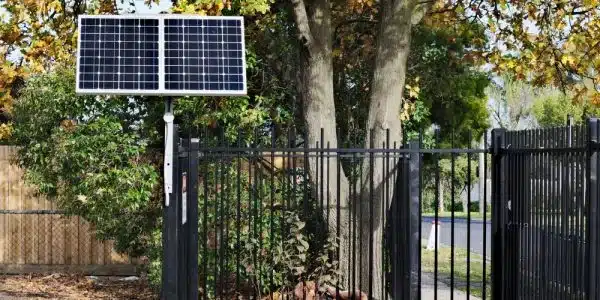
Are solar-powered gates reliable in cloudy winter weather?
Solar gate systems require adequate battery capacity for extended cloudy periods. Specifically, winter days provide fewer charging hours and lower sun angles. Consequently, undersized systems experience battery depletion during extended overcast conditions.
Reliability improvements include battery upgrades and charging optimization. Specifically, oversized battery banks provide reserve capacity for multiple cloudy days. Additionally, panel positioning adjustments maximize winter sun exposure. Furthermore, energy-efficient operators reduce power consumption.
Hybrid systems combining solar with grid backup ensure uninterrupted operation. Specifically, AC charging maintains batteries during extended poor weather. Moreover, professional system sizing considers local solar availability throughout the year. Consequently, properly engineered solar systems remain reliable despite seasonal variations.
Conclusion: Weather-Proofing Your Gate Investment
Understanding how weather affects gate performance empowers property owners to protect their investment proactively. Furthermore, seasonal maintenance aligned with Walnut Creek’s climate patterns prevents the majority of weather-related failures. Consequently, reliable year-round operation becomes achievable through informed care and professional support.
The East Bay climate presents genuine challenges for automated entry systems. Nevertheless, proper equipment selection, installation engineering, and maintenance protocols overcome these environmental stressors. Additionally, professional partnerships with experienced local technicians ensure that weather vulnerabilities receive expert attention.
Rolling Gates stands ready to assist Walnut Creek property owners with climate-resilient gate solutions. Specifically, our team understands regional weather patterns and their mechanical implications. Moreover, we offer comprehensive maintenance programs, weather-rated equipment upgrades, and emergency services when severe weather causes unexpected failures.
Contact us today to schedule a weather-readiness assessment for your automatic gate system. Subsequently, we will identify vulnerabilities specific to your installation and recommend targeted improvements. Furthermore, we can establish maintenance schedules that align with seasonal demands. Ultimately, professional partnership ensures that your gate remains reliable regardless of what weather conditions arrive.
Protect your property access investment through weather-smart gate management. After all, proactive preparation always proves more economical than emergency repairs after weather-related failures occur.