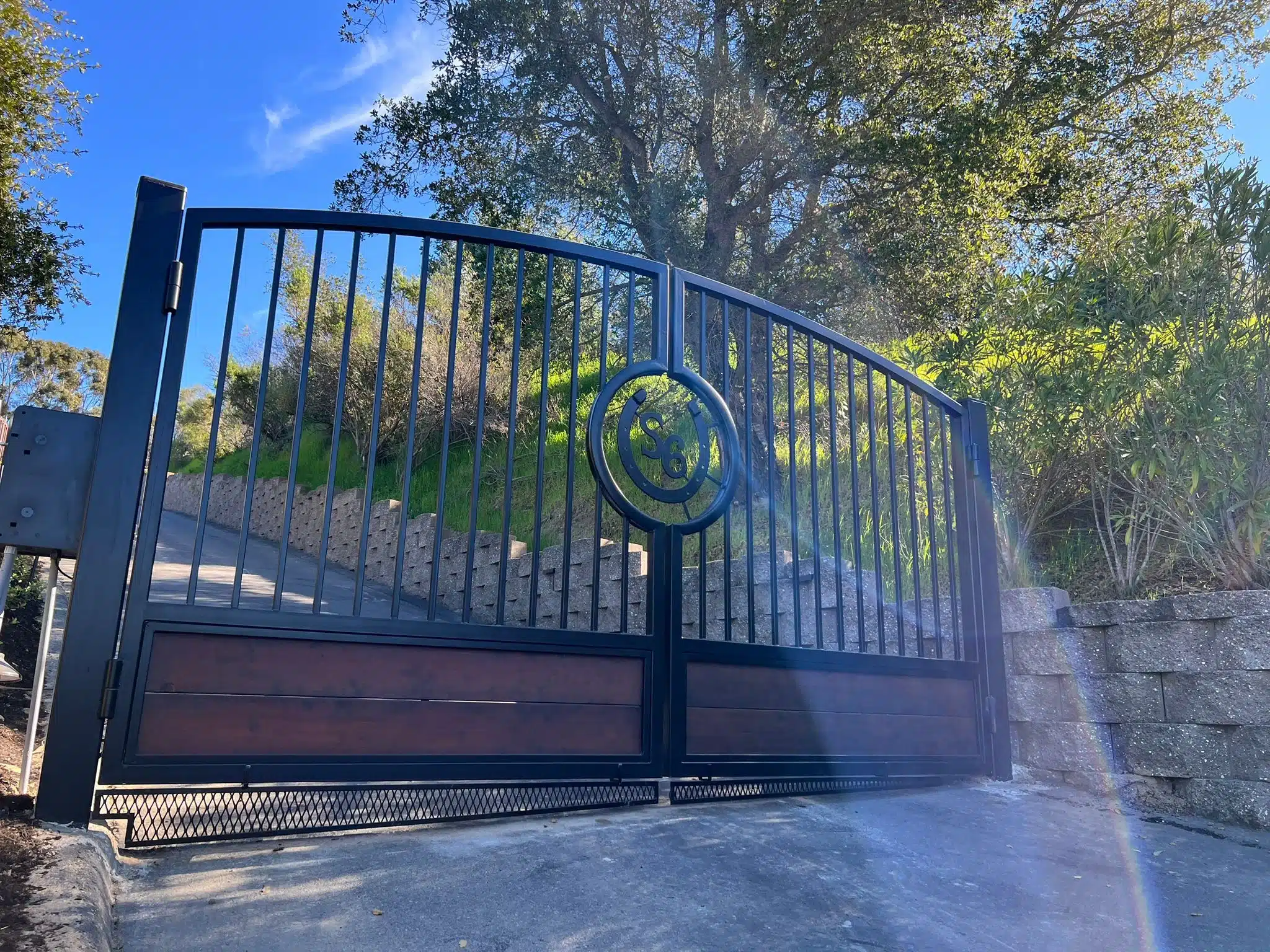
Incorrect gate placement is one of the most preventable causes of gate failure, yet it remains common across residential and commercial installations. Errors in positioning, sizing, or mounting a gate create structural stress that worsens over time, leading to sagging, misalignment, and safety risks.
Knowing the right maintenance tips can help catch these issues early, but avoiding them through professional gate installation is always the most cost-effective path forward.
Signs of an Incorrect Gate Placement
A gate that once opened smoothly doesn’t break overnight. The signs build gradually, and each one points back to how the gate was originally installed. Recognizing them early is the difference between a straightforward gate repair and a full structural correction:
-
- Visible Misalignment: A gate dragging on the ground, hanging unevenly, or leaving uneven gaps between the gate and post indicates the structure is no longer sitting where it was designed to.
-
- Unusual Sounds During Operation: Squeaking, scraping, or rattling may indicate components rubbing together due to the gate being out of its intended alignment.
-
- Slower Automated Gate Movement: A gate moving slower than usual often means the motor is compensating for a placement issue, not a motor problem.
Acting at the first one keeps a manageable repair from becoming a costly replacement. According to the CPSC, automatic gates pose significant injury risks when safety systems malfunction or mechanical components fail, making early correction not just a financial decision, but a safety one.
Why Gate Posts Fail When They’re Not Set Right
A gate asks a lot more of its posts than a regular fence panel ever will. Every open and close cycle puts leverage on that post, and if the post isn’t set to handle it, problems show up fast, not years down the road.
Most post failures trace back to a handful of installation shortcuts:
- Shallow Post Depth: The post doesn’t go deep enough to support the gate’s weight and swing, so it starts leaning within months.
- Thin Concrete Footings: Skimping on concrete leaves the post without a solid base, and it shifts every time the gate swings.
- Ignoring Soil Behavior: Bay Area clay soil expands and contracts with the seasons, and posts set without accounting for that movement start to tilt.
- Undersized Posts: A wider driveway gate needs a heavier post than what works for a standard fence line, and using the wrong size guarantees early sag.
- Rushing the Cure Time: Hanging the gate before the concrete has fully cured puts stress on a footing that hasn’t reached full strength yet.
Our technicians run a 25-point diagnostic on every gate call, and post condition is one of the first things we check. We’ve pulled plenty of gates off posts that looked fine on install day and started sagging six months later because the depth or the concrete never matched the gate’s actual weight. A gate is only as reliable as what’s holding it up, and getting that right the first time saves you a repair call down the line.
The Most Common Gate Installation Mistakes
Gate installation mistakes tend to fall into a few repeating patterns, each with predictable consequences.
Incorrect Hinge Placement
When hinges are positioned too close together, the weight distributes unevenly across a shortened lever arm. The lower hinge carries a disproportionate load, causing the gate to droop and drag within a single season. Correct hinge placement spreads load across the full height of the gate leaf, reducing stress on each fastener.
Inadequate Post Installation
Shallow or unanchored posts are a leading cause of gate misalignment over time. As soil shifts through freeze-thaw cycles or moisture changes, under-anchored posts tilt, pulling the entire gate frame out of plumb. Proper gate installation from the start helps avoid this problem entirely.
Incorrect Sizing
A gate too wide for its opening places constant tension on hinges and hardware. A gate too narrow creates security gaps and aesthetic inconsistencies. Incorrect sizing compounds quickly, as hardware rated for standard loads fails prematurely on an ill-fitted frame.
What Causes a Gate to Sag
Sagging never comes from one bad part. It builds slowly, from a few small installation gaps stacking on top of each other until the latch side finally starts dropping.
The usual culprits behind gate sag include:
- Weak Post Support: A post that isn’t set deep or wide enough starts absorbing the wrong kind of stress every time the gate swings.
- Undersized Frame Materials: A frame built too light for the gate’s size flexes under its own weight over time.
- Misaligned Hinges: Hinges mounted off-level or spaced wrong put uneven pressure on one side of the gate.
- Low-Grade Hardware: Cheap hinges and fasteners wear down faster and let the gate drift out of alignment.
- Excess Gate Weight: A heavier gate needs bracing and hardware built to match, and skipping that step shortens the gate’s lifespan fast.
Most people looking into how to fix a sagging gate find that the fix usually means correcting whatever went wrong during the original build, whether that’s adding proper diagonal bracing, swapping in stronger hinges, or resetting the support post. Bracing that runs from the bottom of the latch side up to the top hinge does the real work here. It pulls the gate’s weight back toward the hinge post instead of letting it hang unsupported on the far end.
We build every gate with that bracing in place from day one, along with hardware rated for the gate’s actual weight, not just what’s convenient. It costs less to get this right during installation than to fix a sag after the fact.
Professional Gate Repair Solutions for an Incorrect Placement
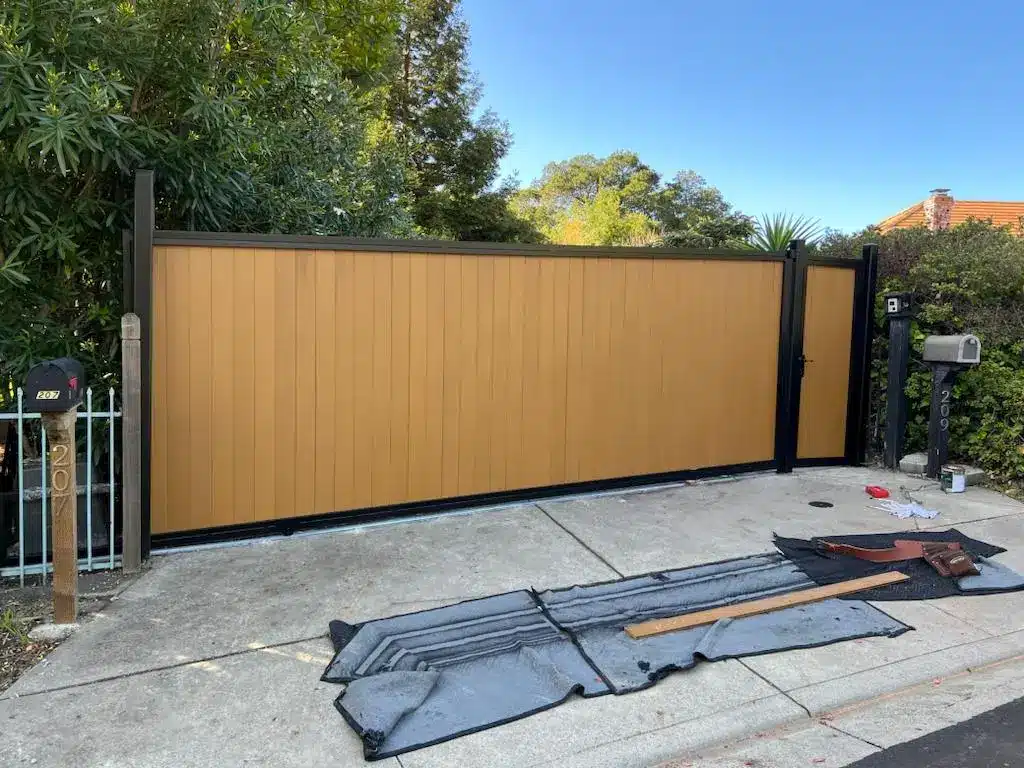
Correcting an incorrectly placed gate is not a one-step fix. At Rolling Gates, we inspect every component before any repair work begins, because treating symptoms without identifying the root cause leads to repeated failure:
-
- Hinge Assessment and Realignment: Hinges absorb stress they were never designed to handle when a gate is incorrectly placed. We realign existing hardware or replace it with heavy-duty alternatives.
-
- Post Evaluation and Stabilization: We assess post depth, footing integrity, and soil conditions. Where posts have shifted beyond adjustment, replacement is the only reliable path forward.
-
- Gate Alignment Correction: We recalibrate the gate within its opening, ensuring the latch and opener engage cleanly without resistance.
-
- Opener and Motor Inspection: After correcting placement issues, we inspect the motor and drive system to confirm it has not sustained damage from operating under an abnormal load.
Targeted repairs done correctly the first time prevent the cycle of recurring failures that drives up gate repair costs over time.
How Professional Intervention Restores Gate Function
The mistakes outlined in this article are significantly cheaper to prevent during installation than to correct after the fact. Working with an experienced fence contractor from the beginning means avoiding the structural stress that drives misalignment, opener strain, and hardware failure.
At Rolling Gates, whether your gate was installed incorrectly and needs gate repair services or proper gate installation services, we repair what can be repaired and replace only what cannot. Contact us today for a free quote before committing to anything.