
Your home deserves protection that combines elegance with functionality. Residential gate installation in Bay Area, CA represents one of the most impactful investments homeowners can make for both security and property value. Whether you reside in a bustling San Francisco neighborhood or a quiet suburban community in Marin County, a professionally installed gate transforms your property’s first impression while establishing a secure perimeter.
Furthermore, the unique architectural diversity across the Bay Area demands solutions that complement various home styles. From Victorian classics in Pacific Heights to modern estates in Palo Alto, residential gate installation must balance aesthetic harmony with robust security features. According to the California Building Standards Commission, all automated gate installations must comply with current safety codes to ensure homeowner protection.
In this comprehensive guide, we will explore everything you need to know about selecting, installing, and maintaining residential gates. Additionally, you will discover how Rolling Gates serves communities throughout Alameda County, San Mateo County, Marin County, and beyond with expert craftsmanship and personalized service.
Why Residential Gate Installation Matters for Bay Area Homeowners
Enhancing Property Security and Privacy
Security remains the primary motivation for most homeowners considering residential gate installation. Consequently, a properly installed gate creates a physical barrier that deters unauthorized access while providing controlled entry points. Moreover, modern gate systems integrate seamlessly with access control systems and surveillance technology.
In addition to theft prevention, gates offer privacy from street traffic and pedestrians. For instance, properties in high-traffic areas like Berkeley or Oakland benefit significantly from visual screening provided by solid panel designs. Similarly, homes in hillside communities such as Mill Valley gain protection from unwanted solicitation while preserving scenic views.
Boosting Curb Appeal and Property Value
Beyond security, residential gate installation dramatically enhances aesthetic appeal. Therefore, selecting the right design becomes crucial for maximizing return on investment. Studies consistently show that attractive entryways increase perceived property value by creating a sense of exclusivity and care.
However, design choices must reflect regional architectural preferences. Traditional homes in Lafayette or Orinda often suit ornamental iron or classic wooden gates. Conversely, contemporary residences in Cupertino or Mountain View pair beautifully with minimalist aluminum or steel designs.
Types of Residential Gates for Bay Area Properties
Swing Gates: Classic Elegance and Reliability
Swing gates represent the traditional choice for residential gate installation in Bay Area, CA. These gates operate similarly to standard doors, rotating on hinges attached to posts or pillars. Because they require adequate clearance space, swing gates work best on properties with level driveways and sufficient setback from the street.
Nevertheless, modern engineering has expanded swing gate applications. Heavy-duty hinges and advanced automation systems now accommodate larger, heavier materials previously unsuitable for swinging mechanisms. Homeowners in Piedmont and Danville frequently choose dual swing configurations for grand estate entrances.
Sliding Gates: Space-Efficient Solutions
When space constraints limit swing gate feasibility, sliding gates offer an excellent alternative. Rather than swinging outward or inward, these gates travel horizontally along a track parallel to the fence line. As a result, sliding gates maximize usable driveway space while providing robust security.
Moreover, cantilever sliding gates eliminate ground tracks entirely, making them ideal for sloped driveways common in San Rafael or Sausalito. These systems suspend the gate from overhead rollers, ensuring smooth operation regardless of terrain challenges.
Vertical Lift and Bi-Fold Options
For properties with extreme space limitations, vertical lift gates rise straight upward rather than moving horizontally. Similarly, bi-fold gates collapse inward, requiring minimal side clearance. Although less common for residential applications, these specialized solutions address unique site constraints in dense urban environments like San Francisco or compact lots in Sunnyvale.
Material Selection for Bay Area Climate Conditions
Wrought Iron and Steel: Durability Meets Design
Wrought iron and steel remain popular choices for residential gate installation throughout the Bay Area. These materials withstand the region’s marine-influenced climate while offering virtually unlimited design customization. Furthermore, powder coating technologies provide superior rust resistance against coastal moisture in communities like Pacifica or Half Moon Bay.
However, metal gates require periodic maintenance to preserve their appearance. Regular inspection of hinges, latches, and protective coatings prevents deterioration. Consequently, many homeowners opt for aluminum alternatives that offer similar aesthetics with reduced weight and maintenance demands.
Wood: Natural Warmth and Versatility
Wooden gates provide unmatched warmth and natural beauty that complements California’s indoor-outdoor lifestyle. Cedar and redwood varieties resist decay naturally, making them suitable for Bay Area microclimates ranging from foggy Sunset District conditions to sunny Walnut Creek valleys.
Nevertheless, wood requires more frequent maintenance than metal alternatives. Staining or sealing every few years protects against moisture absorption and UV damage. Therefore, homeowners seeking wooden gates should budget for ongoing preservation efforts to maintain optimal appearance and structural integrity.
Aluminum and Vinyl: Low-Maintenance Modernity
Contemporary residential gate installation increasingly favors aluminum and vinyl composites. These materials resist corrosion, never require painting, and withstand temperature fluctuations without warping. Additionally, aluminum gates can mimic wood grain textures or accept powder coatings in any color, offering design flexibility without maintenance burdens.
For environmentally conscious homeowners in Napa or Yountville, recycled aluminum options provide sustainable security solutions. Similarly, vinyl gates offer affordable entry points for first-time homeowners in developing communities like Antioch or Brentwood.
Automation and Smart Technology Integration
Modern Gate Openers and Control Systems
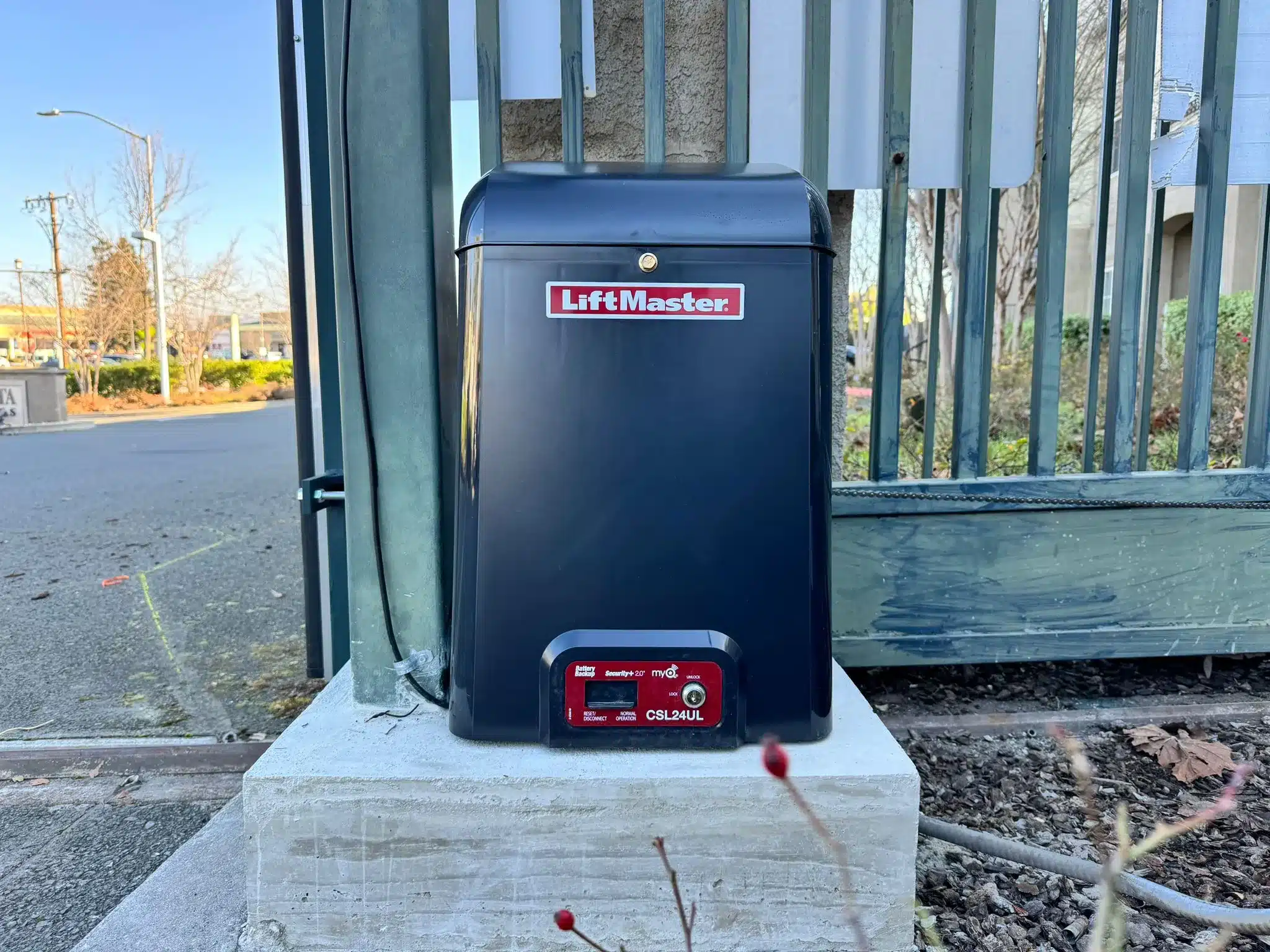
Today’s residential gate installation in Bay Area, CA typically includes automation capabilities. Gate openers transform manual gates into convenient, secure entry systems accessible via remote controls, keypads, or smartphone applications. Moreover, advanced models feature battery backup systems ensuring operation during power outages common during storm seasons.
When selecting automation systems, consider the gate’s weight, length, and daily usage frequency. Heavy-duty operators handle substantial wrought iron installations, while standard residential models suffice for lighter aluminum or vinyl gates. The International Door Association establishes safety standards for automated gate systems, ensuring proper force settings that protect users while preventing damage to gate structures.
Smart Home Connectivity and Access Control
The Bay Area’s tech-forward culture drives demand for intelligent gate systems. Modern installations integrate with home automation platforms, allowing voice-activated operation and remote monitoring. Furthermore, intercom systems with video capabilities enable visual verification of visitors before granting access.
Additionally, license plate recognition and facial recognition technologies provide frictionless entry for authorized users while maintaining detailed access logs. These features prove particularly valuable for multi-tenant properties or homeowners managing rental units in investment properties throughout Santa Clara County.
Solar Power Solutions for Sustainable Operation
Environmental consciousness runs deep in Bay Area communities. Solar-powered gate openers eliminate electrical wiring requirements while reducing carbon footprints. These systems store energy in high-capacity batteries, ensuring reliable operation even during extended cloudy periods characteristic of San Francisco summers.
Solar solutions prove especially advantageous for rural properties in Sonoma County or Solano County where extending electrical service to distant gate locations proves costly. Additionally, solar installations qualify for federal tax incentives, improving overall project economics.
The Professional Installation Process
Site Assessment and Design Consultation
Successful residential gate installation begins with comprehensive site evaluation. Professional technicians assess driveway slope, soil conditions, existing landscaping, and utility locations. Consequently, this analysis determines optimal gate type, sizing, and automation requirements specific to your property.
During consultation, designers present material samples, automation options, and aesthetic choices aligned with your home’s architecture. For example, Mediterranean-inspired homes in San Jose might benefit from ornate scrollwork, while mid-century modern residences in Eichler neighborhoods suit clean geometric patterns.
Permitting and Code Compliance
Bay Area municipalities maintain varying requirements for residential gate installation. Professional installers navigate permit applications, ensuring compliance with local zoning ordinances, height restrictions, and safety codes. Moreover, they coordinate inspections required before final activation of automated systems.
In historic districts like Bernal Heights or designated preservation areas, additional design review may apply. Experienced contractors anticipate these requirements, preparing documentation that expedites approval processes while respecting neighborhood character guidelines.
Installation and Quality Assurance
The physical installation process typically spans one to three days depending on project complexity. First, crews prepare foundations and install support posts or track systems. Subsequently, they hang gate panels, install automation equipment, and program control systems. Finally, comprehensive testing verifies proper operation, safety sensor functionality, and remote control programming.
Quality installers provide detailed operation instructions and maintenance schedules. Additionally, they offer warranty coverage on both materials and workmanship, ensuring long-term satisfaction with your investment.
Maintenance and Long-Term Care
Seasonal Inspection Routines
Regular maintenance extends gate lifespan and prevents costly repairs. Seasonal inspections should examine hinge lubrication, track cleanliness, and weather seal integrity. Furthermore, automation systems require periodic testing of safety features including auto-reverse mechanisms and photo-eye sensors.
For wooden gates, annual refinishing protects against moisture damage in fog-prone areas like The Marina or Richmond District. Metal gates benefit from touch-up painting of any scratches that expose bare metal to oxidation.
Professional Service and Repairs
When issues arise, prompt gate repair prevents minor problems from escalating. Common concerns include misaligned tracks, worn rollers, or malfunctioning control boards. Professional technicians diagnose issues efficiently, stocking replacement parts for rapid resolution.
Rolling Gates provides comprehensive service throughout the Bay Area, from Concord to Campbell. Our mobile technicians carry inventory for most major brands, minimizing downtime for automated systems.
Frequently Asked Questions About Residential Gate Installation
What factors influence the cost of residential gate installation in Bay Area, CA?
Several variables affect project investment levels. Material selection significantly impacts pricing; wrought iron commands premium rates while vinyl offers budget-friendly alternatives. Additionally, automation complexity, site preparation requirements, and local permit fees contribute to overall costs. Generally, standard installations range from basic manual gates to comprehensive automated systems with smart technology integration. For accurate estimates, professional consultation evaluates your specific property conditions and design preferences.
How long does typical gate installation take from consultation to completion?
The timeline varies based on project scope and material availability. Custom fabricated gates require manufacturing periods ranging from several weeks for standard designs to longer durations for intricate ornamental work. However, pre-engineered aluminum or vinyl systems often install within days of order confirmation. Overall, most residential projects conclude within four to eight weeks from initial consultation, including permitting and inspection schedules.
Do I need permits for residential gate installation in Bay Area municipalities?
Most Bay Area cities require permits for gate installations, particularly automated systems connecting to electrical service. Permit requirements vary by location; Dublin and Pleasanton may have different specifications than San Francisco or Oakland. Professional installers handle permit acquisition, ensuring compliance with local building codes, safety standards, and homeowners association guidelines where applicable.
Can existing manual gates be converted to automatic operation?
Absolutely. Many homeowners upgrade manual installations to automated systems. The conversion feasibility depends on gate condition, structural integrity, and hinge configuration. Technicians assess whether existing gates handle automation stress or require reinforcement. Additionally, they evaluate electrical access for operator installation, sometimes recommending solar-powered solutions where wiring proves impractical.
What maintenance is required for automated gate systems?
Automated gates require minimal but consistent maintenance. Monthly visual inspections identify emerging issues like debris accumulation in tracks or vegetation interference. Quarterly lubrication of moving parts ensures smooth, quiet operation. Furthermore, annual professional service checks verify safety system functionality and electrical component integrity. These simple routines prevent unexpected failures and extend system longevity significantly.
How do I choose between swing and sliding gate configurations?
Selection depends primarily on site constraints and personal preference. Swing gates suit level driveways with adequate clearance space, offering classic aesthetics and mechanical simplicity. Conversely, sliding gates accommodate limited space or sloped terrain common in Tiburon or Belvedere hillside properties. During consultation, technicians measure available space, evaluate grade changes, and demonstrate both options to inform your decision.
Are there specific considerations for coastal climate gate installation?
Coastal environments in Half Moon Bay or Pacifica demand corrosion-resistant materials and protective finishes. Aluminum and stainless steel hardware outperform standard components in salt air exposure. Moreover, enhanced powder coatings and regular rinsing prevent premature deterioration. Professional installers specify marine-grade components ensuring lasting performance despite challenging atmospheric conditions.
What smart home integration options exist for modern gate systems?
Contemporary automation systems offer extensive connectivity. WiFi-enabled operators connect to smartphone applications allowing remote operation from anywhere. Additionally, integration with platforms like Alexa, Google Home, or Apple HomeKit enables voice commands and automated routines. Advanced systems incorporate video intercoms, license plate recognition, and delivery code generation for comprehensive access management. These technologies prove particularly popular among tech professionals in Silicon Valley communities.
Conclusion
Residential gate installation in Bay Area, CA delivers transformative benefits for homeowners seeking security, privacy, and enhanced property aesthetics. From selecting appropriate materials that withstand regional climate challenges to integrating cutting-edge automation technologies, informed decisions ensure lasting satisfaction with your investment.
Throughout this guide, we have explored gate types, material options, smart technology integration, and professional installation processes. Moreover, we have addressed common questions to help you navigate this significant home improvement project with confidence.
Rolling Gates stands ready to serve communities across the entire Bay Area region. Whether you reside in Napa Valley wine country, the Peninsula suburbs, or vibrant East Bay neighborhoods, our experienced team provides personalized consultation, expert installation, and reliable ongoing service.
Ready to secure your property with professional residential gate installation? Contact Rolling Gates today for your complimentary site assessment and design consultation. Let us help you create the perfect entrance that protects your family while welcoming you home in style.